Power shift in Jharkhand universities: State Govt to control VC appointments
SUMAN K SHRIVASTAVA Ranchi, August 27: The Jharkhand Assembly passed the , on Tuesday amid ruckus, bringing sweeping changes to the…
SUMAN K SHRIVASTAVA
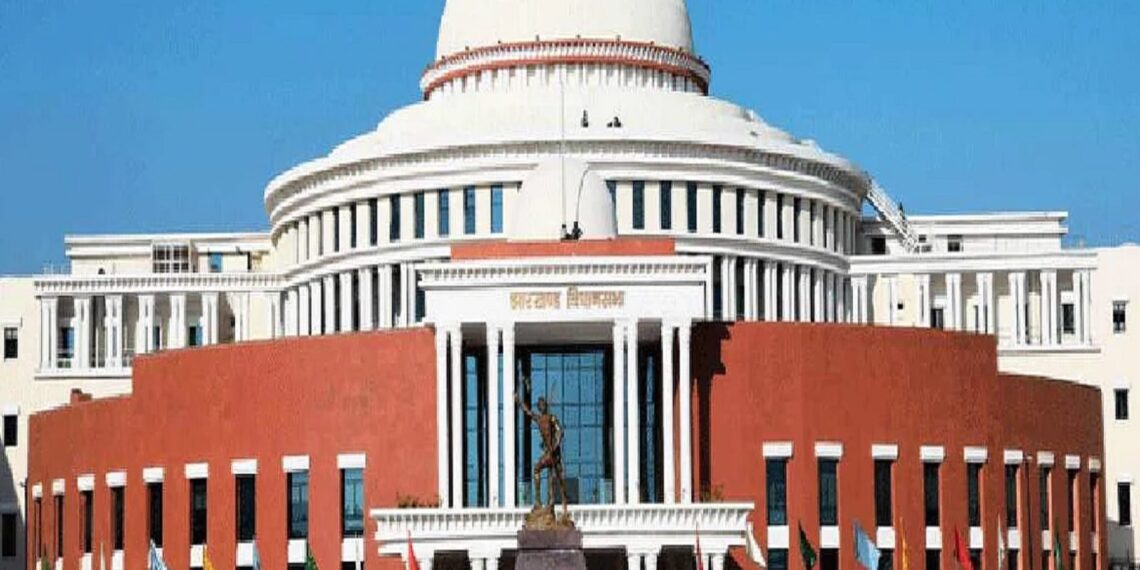
Ranchi, August 27: The Jharkhand Assembly passed the , on Tuesday amid ruckus, bringing sweeping changes to the state’s higher education system.
A major shift is that the Vice Chancellor (VC), Pro-Vice Chancellor, and Financial Advisor of state universities will now be appointed directly by the State Government, replacing the traditional role of the Governor as Chancellor in exercising these powers.
Governor Retains Ceremonial Role
Under the new law, the Governor will continue as the Chancellor of universities, while the Minister for Higher and Technical Education will serve as the Pro-Chancellor. However, executive powers previously vested in the Chancellor are being transferred to the State Government.
Also Read: Ex-MLA Sanjeev Singh acquitted in Neeraj Singh murder case

Controversies in Other States
Notably, similar moves in other states have sparked political debates. In West Bengal, Tamil Nadu, and Kerala, state governments have asserted their authority to appoint Vice Chancellors, leading to repeated confrontations with Governors and legal challenges. Supporters of the change argue that it enhances accountability to the elected government, while critics warn it may compromise university autonomy and invite political interference.
Currently, in states such as Gujarat and Rajasthan, the State Government already plays a central role in VC appointments. Jharkhand’s Bill now brings the state in line with this governance model.
Establishment of University Service Commission
The Bill also proposes the creation of a Jharkhand State University Service Commission, responsible for the recruitment and promotion of teachers, officers, and non-teaching staff across all state universities and constituent colleges. The Commission will also conduct the Jharkhand Eligibility Test (JET) for faculty recruitment.

Board of Governors in Constituent Colleges
Each constituent college will have its own Board of Governors, which will serve as the highest decision-making body at the institutional level. The Boards will oversee policy decisions, ensure the smooth implementation of projects, monitor faculty development, and enforce compliance with financial and academic standards.
Also Read: SC slams Allahabad HC for delay in judgments, orders monthly reports
Financial Self-Sufficiency Push
To reduce reliance on state funding, the Bill mandates that universities and colleges strive for financial self-sufficiency. Suggested measures include:
- Launching market-driven short-term and certification courses in emerging technologies.
- Partnering with industries for research projects, consultancy, and skill development programs.
- Establishing alumni endowment funds and collaborating with corporates for CSR contributions.
- Adopting cost-saving strategies such as energy efficiency and digital transformation.
- Setting up financial planning and audit mechanisms while ensuring scholarships and aid for accessibility.
Two-Tier Grievance Redressal
To address disputes, the Bill provides for a two-tier grievance redressal system:
- An Employee Grievance Committee at the university level, chaired by a retired District Judge or senior advocate.
- An Employee Grievance Tribunal at the state level, headed by a retired High Court Judge or equivalent.
Push for Research, Innovation, and Financial Self-Sufficiency
The Bill also sets up a Board of Research, Innovation, Incubation, and Entrepreneurship to promote start-ups and industry collaboration. Universities will be encouraged to diversify academic programs, partner with industries, raise alumni funds, and adopt cost-optimisation strategies to become financially self-reliant.
Repeal of Existing Acts
Once enacted, the Bill will repeal older laws governing universities in Jharkhand, including the Jharkhand State Universities Act, 2000 and the Jharkhand University of Technology Act, 2011.