Jharkhand Universities Bill creates State-level tribunal for staff disputes
Ranchi, March 18: Seeking to address a growing backlog of service-related cases against universities in the High Court, the Jharkhand Assembly…
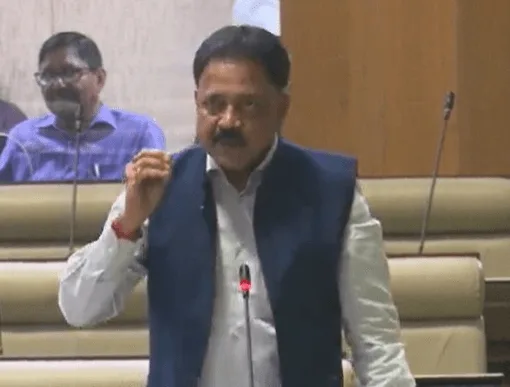
Higher Education Minister Sudivya Sonu speaking in the Jharkhand assembly.
Ranchi, March 18: Seeking to address a growing backlog of service-related cases against universities in the High Court, the Jharkhand Assembly has passed the Jharkhand State Universities Bill, 2026, introducing a State-level Employees Grievance Redressal Tribunal whose decisions will be final and binding on both universities and employees.
The provision is aimed at creating a specialised, time-bound dispute resolution system within the higher education framework, reducing prolonged litigation and ensuring faster justice.
Tribunal to Act as Final Appellate Authority
Under the new law, the Tribunal will serve as the ultimate appellate body for employees aggrieved by actions such as dismissal, removal, compulsory retirement, reduction in rank, or termination of service.
Appeals must be filed within 30 days, though the Tribunal may allow delayed petitions if sufficient cause is demonstrated. Once a decision is delivered, it will be conclusive and enforceable, with no scope for further appeal before any court or authority.
ALSO READ: Jharkhand Bill: Governor, CM get joint role in VC appointments

Set Up in Response to Rising Legal Disputes
The move comes against the backdrop of a large number of cases involving university employees pending before the High Court, often leading to delays in justice and administrative uncertainty.
By shifting such disputes to a dedicated Tribunal, the state aims to streamline adjudication and reduce judicial burden.
Composition Reflects Quasi-Judicial Authority
The Tribunal will be chaired by a retired High Court judge or a person qualified to be one, supported by:

- A senior advocate with experience in university-related matters
- A retired Jharkhand Financial Services officer (Joint Secretary rank or above)
- A retired senior administrative officer of the state government
- A Professor or Associate Professor as Member Secretary
All members will be appointed by the State Government for a three-year term.
Wide Powers to Grant Relief
Functioning with powers akin to an appellate court, the Tribunal can:
- Stay orders issued by universities or colleges
- Re-examine evidence and hear both parties
- Reinstate employees or restore rank
- Order payment of arrears, salaries, and benefits
- Modify or reduce penalties
- Award compensation of up to six months’ salary
- Issue any other appropriate directions based on the case
ALSO READ: Jharkhand assembly passes resolution to retain MGNREGA, opposes VB-GRAM-G
Strict Enforcement and Financial Penalties
To ensure compliance, the Bill mandates that Tribunal orders must be implemented within a specified timeframe.
Failure to comply can attract:
- Fine up to ₹1 lakh for the first violation
- Up to ₹5 lakh for subsequent violations
- ₹2,000 per day for continuing non-compliance
In certain cases, responsible officials may also be held accountable.
Two-Tier Grievance Redressal Structure
Before reaching the Tribunal, disputes will first be handled by the Employees Grievance Redressal Committees at the university or cluster level. These committees, chaired by a retired district judge or legal expert, are required to resolve cases within three months and are empowered with civil court-like authority.
Parallel System for Student Complaints
The Bill also mandates Student Grievance Redressal Committees (SGRCs) at the university and college levels. These bodies will address academic, administrative, and election-related complaints within 15 working days, with the Vice-Chancellor acting as the appellate authority.