






SACHIN KUMAR RANA
 Over the last two decades, badminton has transformed dramatically in India — and Jharkhand and Bihar are no exceptions.
From limited infrastructure and low awareness, the region has come a long way. Yet, while progress is evident, challenges remain — particularly in affordability, mindset, and systemic delivery.

Then vs Now
Fifteen to twenty years ago, badminton was a relatively simple and affordable sport. Basic equipment, minimal coaching fees, and strong local support made it easy for passionate children to take it up. But times have changed.
Today, the cost of pursuing badminton has skyrocketed. Even at an intermediate level, a player needs to spend at least ₹15,000 per month.
Expenses include:
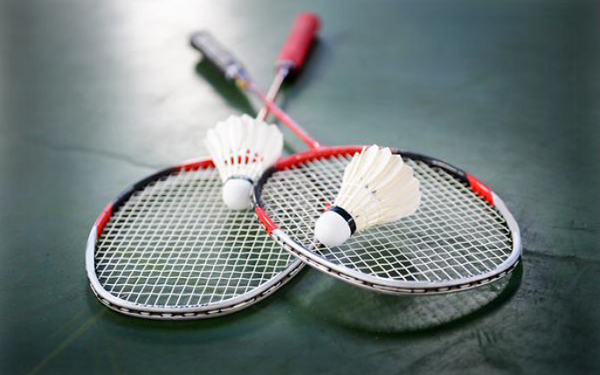
- Shuttlecocks (a recurring and rising cost)
- Coaching fees, especially for qualified coaches
- Strength and conditioning support
- Physiotherapy and recovery aids
- Travel and tournament participation
- Quality shoes, rackets, grips, and regular court time
Jharkhand & Bihar
For families in Jharkhand and Bihar — particularly in non-metro areas — these recurring costs can feel overwhelming. As a result, many parents push their children towards academics instead. Given the uncertainty of job security in sports, unless one consistently performs at the national level, this mindset is understandable.
Encouraging Developments
The good news is that things are changing. Until recently, there were very few indoor stadiums or badminton-specific halls in our states. Today, multiple facilities have been built across districts. I can proudly say: there is no shortage of courts or infrastructure in Jharkhand and Bihar anymore.
In addition, the government has launched positive initiatives such as Day Boarding Centres in many districts. These are designed to give players access to better coaching and structured training environments.
Key Concerns Remain
The big question is: Are these facilities truly reaching and benefitting the players as intended? Are athletes receiving the right equipment, nutrition, tournament exposure, and daily guidance under these programmes?
Coaches: The Vital Pillar
Coaching remains a crucial factor. Unfortunately, in many regions, coaching standards still lack consistency. Some coaches, with insufficient technical knowledge, may unintentionally build weak foundations in players. Others are more focused on running batches than on true player development.
But it’s not all bleak. Many passionate coaches live and breathe badminton, working tirelessly to nurture talent despite limited resources. Encouragingly, more resources for coach development are now available, including:
- Badminton Association of India (BAI) coaching programmes
- Olympic Gold Quest (OGQ) initiatives
- Badminton World Federation (BWF) Coaching Certification
- Programmes by the Prakash Padukone Academy
With these opportunities, coaches today have a real chance to grow — and in turn, help their players reach new levels.
The Role of Parents
Parents must also recognise that success in sport is a long-term investment. Children should be encouraged to compete nationally, learn from defeats, and stay consistent.
The Way Forward
I appreciate the government’s growing involvement in sports — from building facilities to launching schemes. However, for real transformation, we need more than just infrastructure.
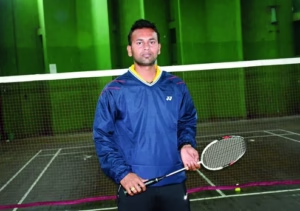
(The writer is the Badminton Coach of the Indian National Team)
