







THE JHARKHAND STORY NETWORK
New Delhi, February 18: Elections for 37 Rajya Sabha seats that will fall vacant in April will be held on March 16, the Election Commission announced on Wednesday.
The highest number of seats is from Maharashtra (7) and Tamil Nadu (6). Bihar and West Bengal have five seats each, followed by Odisha (4), Assam (3), Telangana (2), Chhattisgarh (2), Haryana (2) and Himachal Pradesh (1).
Terms of Senior Leaders Ending
The terms of several prominent leaders from both the ruling BJP and the Opposition are coming to an end.

Among them are Congress president Mallikarjun Kharge (Karnataka), NCP chief Sharad Pawar (Maharashtra), Shiv Sena leader Priyanka Chaturvedi, Republican Party of India leader Ramdas Athawale, and Congress leader Abhishek Manu Singhvi (Telangana).
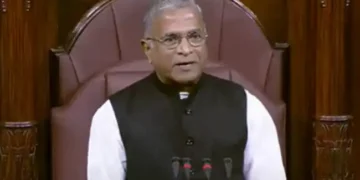
The tenure of Rajya Sabha Deputy Chairman Harivansh (Bihar) will also conclude.
Sharad Pawar May Contest Again
Eighty-five-year-old Sharad Pawar, one of Maharashtra’s most senior political leaders, has expressed his willingness to contest again, according to Shiv Sena leader Sanjay Raut.
Earlier, citing his age, Pawar had indicated he would not contest further elections. In a political career spanning over five decades, the former Union minister has contested 14 elections and won each time.
How Rajya Sabha Elections Work
Rajya Sabha members are elected indirectly. Seats are allocated to states based on population, and voting is carried out by elected members of the respective state Legislative Assemblies.
The strength of political parties in state assemblies plays a crucial role in determining the outcome. A fixed formula is used to calculate the number of votes required to win a seat.
In August last year, the BJP’s strength in the Rajya Sabha crossed 100 for the first time since 2022, strengthening its position in the Upper House.
The last elections for these seats were held in 2020. At that time, the BJP and its allies held strong positions in Assam, Bihar, Haryana and Himachal Pradesh. In Maharashtra, the BJP and Congress, along with the then-undivided Shiv Sena and NCP, shared seats. In Tamil Nadu, the DMK won most seats, while the Trinamool Congress and Biju Janata Dal dominated in West Bengal and Odisha, respectively.
