







THE JHARKHAND STORY DESK
Kathmandu, Sept 11: Nepal is facing escalating turmoil as negotiations are set to begin between the Army, President Ram Chandra Paudel, and representatives of the Gen Z movement to chart out an interim government.
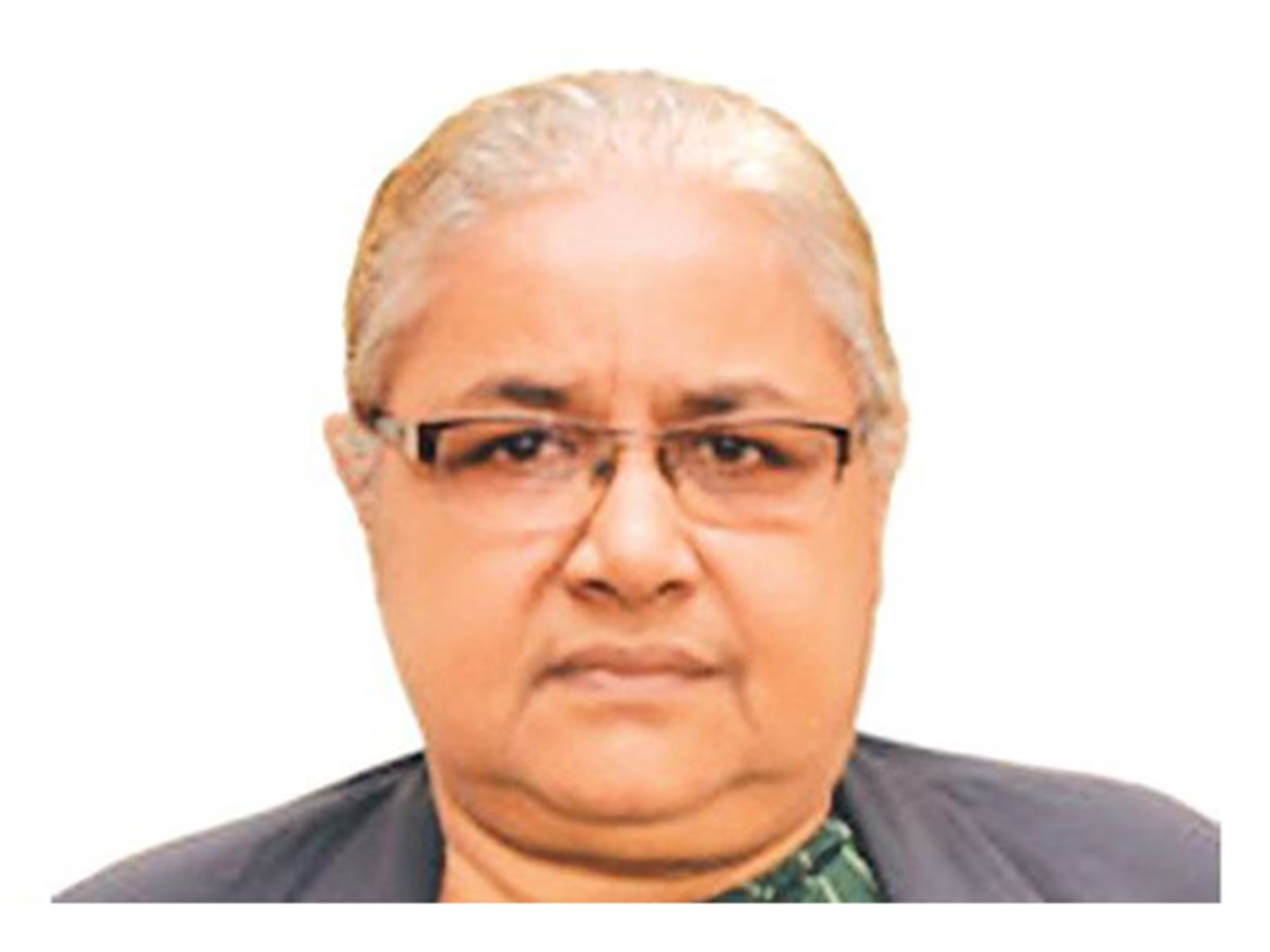
Protest leaders have unanimously backed former Chief Justice Sushila Karki as their choice for interim Prime Minister, with discussions expected to move from talks with Army Chief Ashok Raj Sigdel to the President’s Office at Sheetal Niwas.

Kathmandu Mayor Balendra Shah, popularly known as Balen, has also endorsed Karki, boosting her legitimacy as the youth movement’s preferred candidate.
Also Read- Supreme Court bars reserved category candidates from General seats if relaxations availed
Meanwhile, the unrest has turned deadly. Officials at Tribhuvan University Teaching Hospital’s Department of Forensic Medicine confirmed that at least 31 people have lost their lives in the Kathmandu Valley protests, with more than 1,000 others injured.
Of the deceased, the identities of 25 victims have been tentatively established, while six — five men and one woman — remain unidentified.
Dr. Gopal Kumar Chaudhary, who heads the department, said postmortems are being conducted under international protocols and that the bodies are being preserved as per official instructions. Most identifications have relied on documents recovered at protest sites or recognition by family members.
The violence has also hit political figures directly. Ravi Laxmi Chitrakar, wife of former Prime Minister and senior CPN (Unified Socialist) leader Jhala Nath Khanal, is battling for her life after sustaining severe burn injuries when protesters set fire to her residence in Kathmandu’s Dallu area.
Also Read- Thunderstorm and rain forecast in Jharkhand’s isolated places till Sept 14
Initially reported dead, Chitrakar was later admitted to Kirtipur Hospital on Tuesday, where she remains in critical condition.
With mounting casualties and intensifying demonstrations, today’s negotiations carry significant weight. Analysts believe they could mark the beginning of a political transition led by Karki, symbolizing the Gen Z movement’s growing influence in shaping Nepal’s governance.
