
Break silence, break stigma: Know facts this National HIV Testing Day
MARY PRIYANKA Ranchi, June 27: It’s the conversation few are willing to have, yet one that could save countless lives. HIV…
MARY PRIYANKA
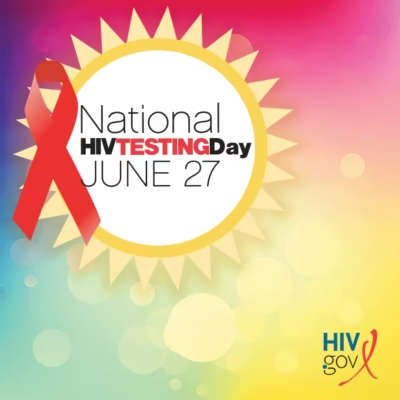
Ranchi, June 27: It’s the conversation few are willing to have, yet one that could save countless lives. HIV remains shrouded in stigma, misinformation, and silence — a silence that continues to cost lives. This National HIV Testing Day, observed on 27 June, that silence ends.
With this year’s empowering theme, “Level Up Your Self-Love – Check Your Status,” the focus is firmly on prioritising your health, showing yourself compassion, and breaking free from outdated myths. The campaign calls on everyone to get informed, get tested, and take charge of their health.
HIV Is Not AIDS: Understanding the Difference
Many still mistakenly equate HIV with AIDS, but the two are not the same. HIV (Human Immunodeficiency Virus) weakens the body’s immune system by targeting white blood cells. Left untreated, it can progress to AIDS (acquired immunodeficiency syndrome), a condition where the immune system becomes severely compromised.
Also Read: Chatra tops NITI Aayog’s aspirational district Delta rankings, earns ₹10 crore boost

How HIV Spreads: Know the Risks
HIV is transmitted through certain body fluids — including blood, semen, vaginal and rectal fluids, and breast milk. The most common route is unprotected sex with an HIV-positive individual. Other modes of transmission include:
- Sharing needles or syringes previously used by someone with HIV
- Transmission from an HIV-positive mother to her baby during pregnancy, childbirth, or breastfeeding
Why Testing Matters: A Doctor’s Perspective
According to Dr Hemlata Tigga, Medical Officer at the Community Health Centre in Peterwar, Bokaro, and a member of Jharkhand Health Services since 2009, HIV testing should be seen as routine, just like checking blood pressure or sugar levels.
“Testing is simple, quick, and painless,” says Dr Tigga. “Some rapid tests provide results in as little as 30 minutes. Everyone, especially those in high-risk groups such as people who inject drugs or sex workers, should get tested at least once a year.”

She highlights that fear, shame, and social stigma are major barriers, but stresses that HIV is a medical condition, not a moral judgement. Early diagnosis allows timely treatment and better outcomes.
Myth-Busting and Hope: Living Well with HIV
Contrary to common myths, HIV is not solely a sexually transmitted infection. It can also spread via infected blood or from mother to child. However, with proper medication and care, people living with HIV can lead normal, healthy, and productive lives.
Dr Tigga adds that free, confidential testing is available at most government hospitals and health centres. With consistent treatment and community support, people with HIV can live with dignity and confidence.
The Bottom Line: Awareness Saves Lives
HIV does not thrive in silence — it thrives in misinformation. As this year’s campaign reminds us, “Get tested. Know your status.” Taking the test is the first step in protecting your health, your future, and your loved ones.
On this National HIV Testing Day, let’s choose knowledge over fear and compassion over stigma.