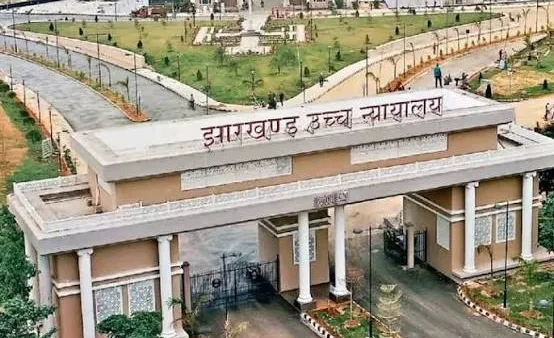
Severe cold wave, dense fog grip Jharkhand
Jamshedpur, Jan 7: Jharkhand continues to reel under a severe cold wave, with biting temperatures and dense fog affecting normal life across…
Jamshedpur, Jan 7: Jharkhand continues to reel under a severe cold wave, with biting temperatures and dense fog affecting normal life across the state.
Ranchi Records Sub-Normal Temperatures
The state capital, Ranchi, recorded a maximum temperature of 19.4°C, which was 4.1°C below normal, while the minimum settled at 6.6°C, dipping 2.5°C below average, highlighting the intensity of the cold spell.

No rainfall was reported anywhere in Jharkhand during the past 24 hours.
Cold Conditions Across Major Cities
Among major centres, Jamshedpur recorded a maximum of 23.5°C and a minimum of 7.7°C, both below normal.
Daltonganj experienced a particularly chilly day, with the mercury peaking at 20.6°C and plunging to 4.1°C at night.
Bokaro recorded 20.1°C (maximum) and 6.7°C (minimum), while Chaibasa emerged as the warmest location with a maximum of 24.8°C.
The lowest minimum temperature in the state was recorded at Khunti, which shivered at just 2.1°C, underlining the severity of the cold wave.

IMD Confirms Severe Cold Wave
The India Meteorological Department (IMD) confirmed cold wave to severe cold wave conditions over Khunti, Ranchi (including Kanke), Lohardaga, Daltonganj, Bokaro and Chaibasa.
Dense Fog Hits Visibility
Dense fog further aggravated conditions, severely impacting visibility and early morning movement.
Daltonganj reported the lowest visibility at 300 metres, while Deoghar recorded 600 metres, affecting transport services.
AWS Data Shows Widespread Chill
Automated Weather Station (AWS) data indicated persistent cold conditions across districts.
Hazaribagh recorded a maximum of 18.8°C, while Gumla and Koderma registered 19.7°C each, all well below seasonal averages.

Despite a marginal rise in daytime temperatures at a few stations, night temperatures remained critically low.
IMD Advisory Issued
The IMD has advised residents to take precautions against cold exposure, especially during early morning and night hours, as cold wave conditions may persist in isolated pockets of Jharkhand.
With winter at its harshest, daily life across the state remains disrupted due to chilling temperatures and poor visibility, keeping both authorities and residents on alert.