
Jamshedpur police stations to get unique 3-digit codes for faster communication
PINAKI MAJUMDAR Jamshedpur, August 17: Police stations across East Singhbhum are set to receive a distinct digital identity, with all 36 police…
PINAKI MAJUMDAR
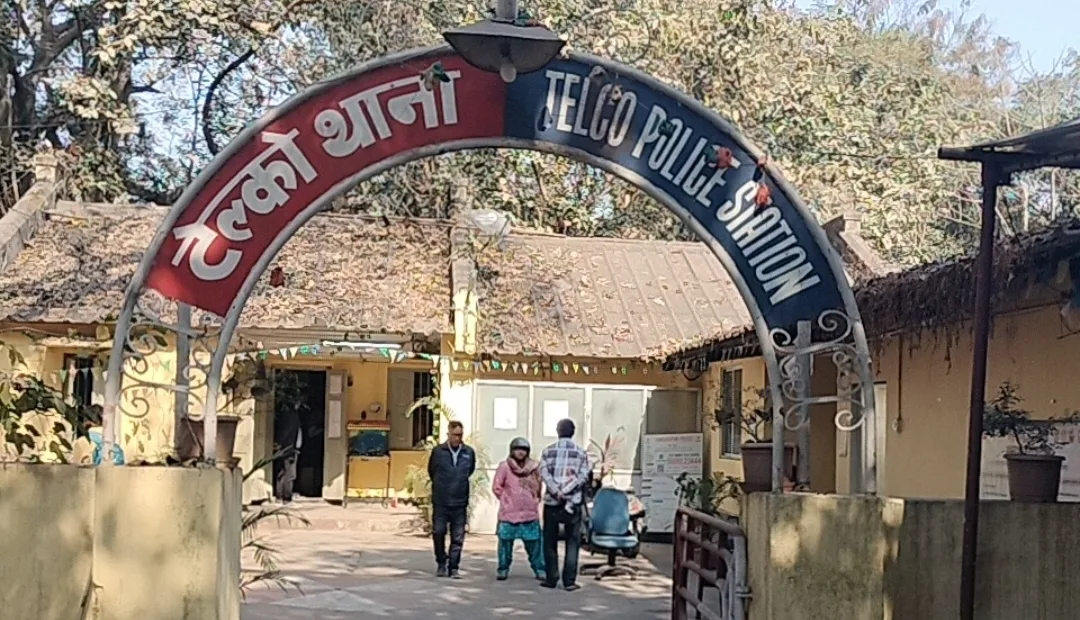
Jamshedpur, August 17: Police stations across East Singhbhum are set to receive a distinct digital identity, with all 36 police stations in the district being assigned unique three-digit codes as part of an initiative to make policing more technology-driven, streamlined and responsive.

The codes will be used alongside police station names in wireless communication, digital records and the monitoring of PCR vehicles and Tango mobile units.
The initiative is aimed at eliminating confusion over police station identities and enabling faster and more accurate communication between control rooms and field personnel.
Police Stations to Get Unique Technical Identity
The coding system has been designed broadly on the lines of technical identification systems used for airports and railway stations.
Police officials said assigning a unique code to each police station would provide an unambiguous identity, particularly during wireless communication and inter-district coordination, where similarly named police stations can sometimes cause confusion.

The new system is expected to be especially useful in wireless communication, which plays a crucial role in relaying information about incidents, issuing operational instructions and coordinating emergency responses.
Mentioning the three-digit code along with the police station name will allow personnel to quickly identify the concerned jurisdiction and respond accordingly.
ALSO READ: Heavy rain alert for Ranchi, South-Eastern Jharkhand today

Codes to Help Track PCR, Tango Units
The coding system will also facilitate the monitoring and deployment of PCR vehicles and Tango mobile units.
These units are frequently dispatched by control rooms to respond to incidents. Linking their movement and deployment with the relevant police station code could make tracking and digital record-keeping more efficient.
Police officials said the codes could eventually be integrated into various digital policing platforms, allowing incidents, patrol teams, vehicles and other resources to be mapped systematically to individual police stations.
Such integration could also improve the analysis of crime and policing data and provide a clearer picture of resource deployment across different jurisdictions.
Faster Response During Emergencies
The system is expected to become particularly useful during emergencies such as major road accidents, criminal incidents, fires and other situations requiring an immediate police response.
A standardised police station code could help control rooms communicate instructions more quickly and accurately to field personnel while ensuring that additional resources are deployed to the correct area.
The initiative, which has started in East Singhbhum, could subsequently be extended to other districts of Kolhan.
A common coding system across the region could further strengthen inter-district coordination, particularly in wireless communication and digital data management.
Technology-Driven Policing
City SP Lalit Meena said policing was rapidly becoming technology-driven and that there was a need to provide police stations with a clear technical identity to make communication more precise and systematic.
The three-digit codes, he said, would help streamline police station identification in both wireless communication and digital systems.
The initiative marks another step towards integrating conventional policing with technology. While its immediate focus is on station identification, wireless communication and monitoring police resources, the system could eventually become part of a broader digital policing framework, improving resource management, data integration and emergency response.
With the new system, the 36 police stations of East Singhbhum will have not just a name but also a distinct three-digit technical identity—potentially making communication between the control room and field personnel faster, clearer and more efficient.