
Cyber fraud to vaping: Loyola students get a wake-up call on digital and drug risks
PINAKI MAJUMDAR Jamshedpur, September 9: From cyber fraud and digital scams to vaping and substance abuse, Loyola School, Telco, organised a Cyber…
PINAKI MAJUMDAR
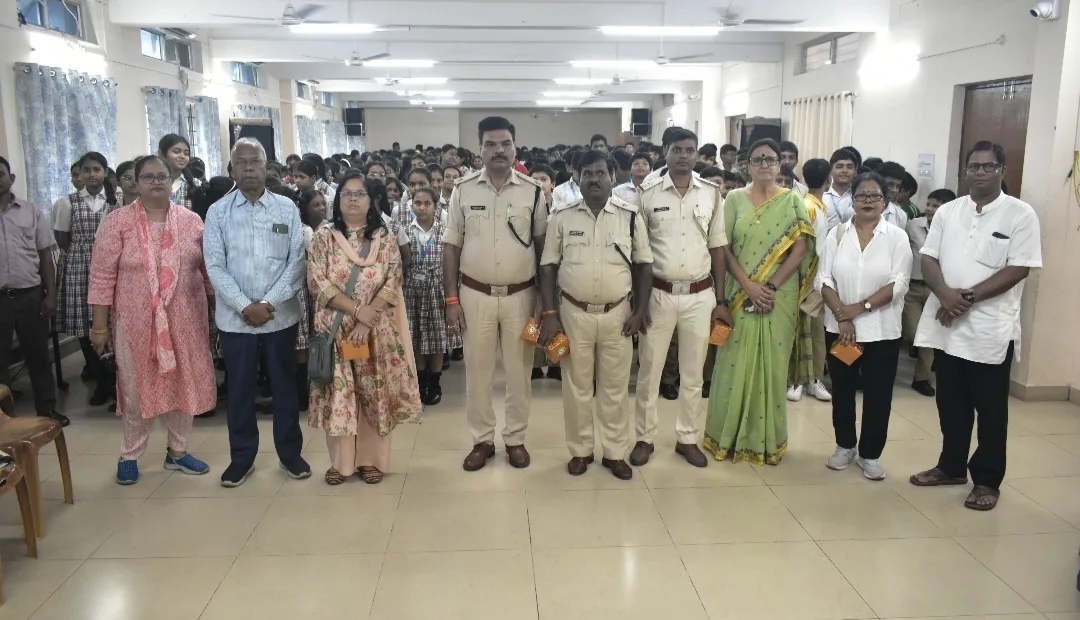
Jamshedpur, September 9: From cyber fraud and digital scams to vaping and substance abuse, Loyola School, Telco, organised a Cyber Crime and Anti-Drug Awareness Session to sensitise students to the growing threats they may encounter in both the digital and real world.
Held at the school auditorium, the programme brought together experts from the Cyber Crime Cell and Meraki Trust, who equipped students with practical knowledge on staying safe online and making healthy and responsible choices.
Students cautioned against growing cyber threats
School Principal Charanjeet Ohson welcomed the speakers and stressed the importance of exposing students to real-world challenges that could affect their safety and well-being.
Inspector Shree Niwas Kumar of the Cyber Crime Cell spoke about the rapidly evolving nature of cybercrime and digital fraud. He cautioned students against carelessly sharing personal information on social media, online banking platforms, credit cards and other digital channels.
He explained various forms of cyber fraud, including digital arrest scams, fraudulent calls and messages, fake investment schemes, online gaming fraud, fake online identities and mule bank accounts.

Students were urged to remain sceptical of unsolicited communications and verify information before taking any action online.
Technical Associate Rupesh Kothari highlighted the importance of basic digital hygiene. He warned students against installing suspicious APK files, clicking on unknown links and using fake customer-care numbers found through random online searches.
He advised students to verify websites, applications and contact details before sharing personal information or carrying out financial transactions.

The students were also informed about the importance of acting swiftly in cases of financial cyber fraud and using the national cybercrime helpline 1930 for immediate reporting.
An interactive discussion followed on cyberbullying, fake profiles, responsible social-media use and the legal consequences of misusing digital platforms, allowing students to discuss situations they may encounter in everyday life.

Vaping and drugs: A choice that can change lives
The session also focused on the growing concern over vaping, e-cigarettes and substance abuse among young people.
Rita Patro, Founder of Meraki Trust, spoke about the physical, psychological and social dangers associated with substance abuse. She cautioned students against viewing vaping or experimenting with drugs as harmless, fashionable or merely a matter of curiosity.
She urged students to stand firm against peer pressure, seek guidance from parents, teachers and other trusted adults, and channel their energy into sports, academics, creativity and other constructive pursuits.
Awareness and values must go together
School Administrator Fr. Gerry said awareness and values must go hand in hand in preparing young people to face the challenges of contemporary society.
“Our children are growing up in a world where dangers can come through a smartphone as easily as through peer pressure. We must therefore prepare them not merely to avoid these dangers, but to recognise them, question them and have the courage to make the right choice. Education must build both informed minds and responsible character, and that is a responsibility we must share as a school, parents and society.”
The programme provided students with practical tools to navigate the digital world safely while encouraging them to make informed decisions about their health and future.
The school management expressed its gratitude to the Cyber Crime Cell and Meraki Trust for their valuable time and efforts towards empowering young minds.
The programme concluded with a simple yet powerful message: “Stay alert, stay informed and stay safe.”