






PINAKI MAJUMDAR
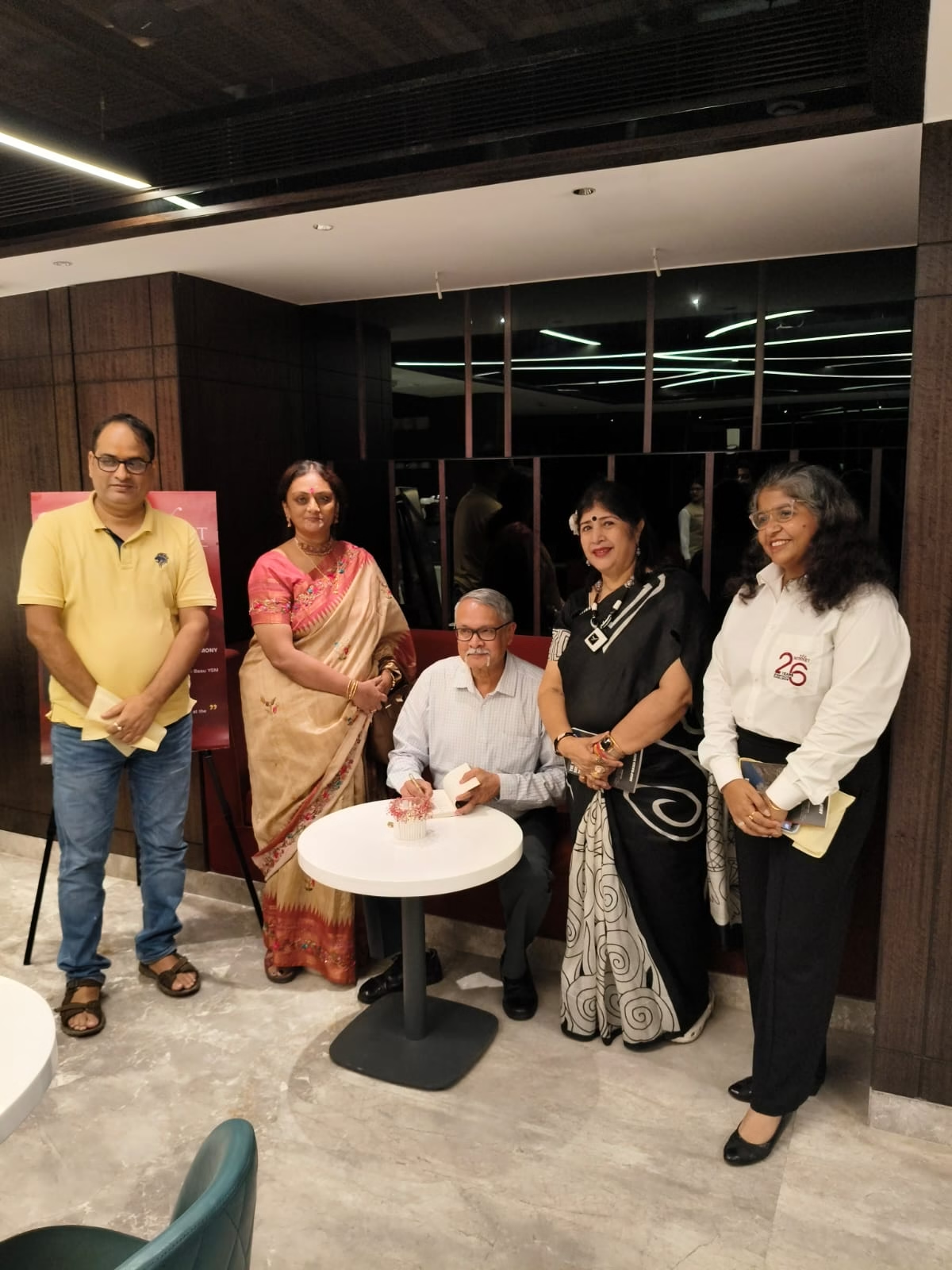
Jamshedpur, July 19: In an evening steeped in emotion, memory, and national pride, Lt Col (Dr) Arup Ratan Basu, YSM, a decorated war veteran and renowned Surgical Gastroenterologist, unveiled his powerful memoir, The Kargil War Surgeon’s Testimony, at Hotel Sonnet in Bistupur.
The event, meticulously curated by Swati Chakravarty, General Manager of Hotel Sonnet, commemorated 26 years of India’s triumph in Operation Vijay (1999).
A recipient of the Yudh Seva Medal, Lt Col (Dr) Basu served on the frontlines during the Kargil conflict, not with a weapon, but with a scalpel — saving lives amid the deafening chaos of war.

Also Read- 94.68% voter coverage achieved in Bihar’s electoral roll revision: ECI
Now a resident of Ambagaan in Sakchi, he offers in this book an intimate and unfiltered account of the war through the lens of a battlefield surgeon.
Far from the conventional war narratives rooted in tactics and geopolitics, The Kargil War Surgeon’s Testimony explores the raw human dimension of combat — the silent bravery of the wounded, the agony of loss, and the profound weight carried by those who heal.
Through poignant reflections and vivid recollections, the memoir becomes a tribute to the indomitable spirit of the Indian soldier and the quiet endurance of those behind the scenes.
Published by Bloomsbury (India Office), the book is now available at Wasava Singh’s, Kamani Centre, Bistupur.
The launch drew a distinguished gathering, including the seniormost general of Jamshedpur, Major General P.P. Subherwal, eminent literary voices like Purabi Ghosh, and several veterans and dignitaries.
Also Read- Tribals of Assam’s Dhemaji chart new path with land reforms and women-led silk enterprises
The memoir has already received acclaim from literary and military circles across India, with Shashi Tharoor, MP, offering high praise: “A powerful, poignant, and heart-wrenching indictment of the debilitating cost of war, The Kargil War Surgeon’s Testimony ought to be read… and remembered.”
This book launch wasn’t merely a literary event — it was a homage to sacrifice, service, and the silent wounds that linger long after the guns fall silent.
