








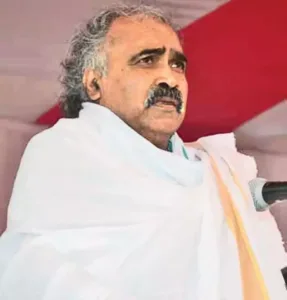
ASHOK BHAGAT
Naxalism and Left-Wing Extremism (LWE) have long posed a serious challenge to India’s national security, development, and grassroots governance. What began as a movement rooted in class struggle and aimed at uplifting marginalised communities has, over time, evolved in ways that have hindered development across several regions.
Over the years, successive governments have adopted a mix of security, economic, and social strategies to address the issue. Recent data and expert assessments suggest a significant decline in violence and related incidents, alongside improved prospects for governance and infrastructure development in affected areas.
Decline in Violence, But Challenges Remain
Data from the past decade indicates that extremist violence peaked around the mid-2010s, with thousands of incidents recorded during that period. Since then, there has been a consistent decline in both the frequency of incidents and the overall intensity of violence.

While this reflects the effectiveness of targeted strategies, it does not signal the end of the problem. The movement, in many cases, has shifted towards activities such as extortion, indicating a transformation rather than a complete resolution. Lasting peace will depend on addressing these evolving challenges.
Development Must Include Local Communities
One of the most pressing challenges is ensuring inclusive development in resource-rich but underdeveloped regions. These areas possess abundant natural resources, including minerals, forests, and water. However, sustainable peace cannot be achieved unless local communities are given a meaningful stake in how these resources are utilised.
Transparent partnerships, recognition of land and forest rights, and community participation in decision-making are essential. Without these, development risks become exclusionary, potentially fuelling further discontent.
Strengthening Grassroots Governance
Effective local governance is central to long-term stability. While frameworks for decentralisation exist, their implementation remains uneven. Panchayati Raj Institutions often lack real autonomy, with bureaucratic control continuing to dominate decision-making processes.
In Scheduled Areas, laws such as PESA were introduced to empower local governance, but their potential remains underutilised. Strengthening these institutions and ensuring genuine devolution of power is critical to bridging the gap between administration and people.
Education, Skills and Infrastructure Gaps
Significant disparities persist in access to education, skill development, and employment opportunities in insurgency-affected districts. Addressing these gaps is crucial, especially for the youth, who are most vulnerable to being drawn into cycles of conflict.
Improving basic infrastructure—roads, electricity, water supply, healthcare, and digital connectivity—can transform living standards and reduce social alienation. As the intensity of insurgency declines, this is an opportune moment to prioritise such interventions.
Rehabilitation and Reintegration
Rehabilitation of surrendered militants and affected youth must form a key part of the strategy. Programmes focused on skill development, employment, and social reintegration can help integrate individuals into the mainstream and prevent relapse into violence.
Towards Sustainable Peace
The decline in extremist activity offers a window of opportunity to reshape the development narrative in these regions. However, sustainable peace will remain elusive without self-governance, equitable resource distribution, improved living conditions, and expanded opportunities.
A collaborative approach involving the government, civil society, and local communities is essential. Empowering local institutions, limiting bureaucratic overreach, and prioritising people-centric governance can ensure that the conditions that once nurtured extremism are permanently addressed.
(The writer is a Padma Shri awardee and Secretary of Vikas Bharti Bishunpur. He has been working for over four decades for tribal development in remote areas of Jharkhand.)
