







THE JHARKHAND STORY DESK
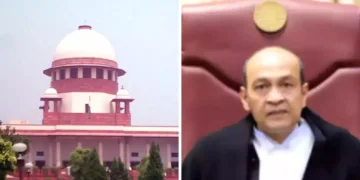
New Delhi, July 28: The Supreme Court on Monday grilled Justice Yashwant Varma over his petition challenging an in-house inquiry panel report that indicted him after a large amount of half-burnt cash was discovered at his official residence during his tenure as a Delhi High Court judge.
Bench Seeks Explanation on Timing of Challenge
A bench of Justices Dipankar Datta and A.G. Masih questioned why Justice Varma participated in the inquiry proceedings instead of challenging them earlier.

“Why did you appear before the inquiry committee? Did you come to the court that the video be removed? Why did you wait for the inquiry to be completed and the report be released? Did you take a chance of a favourable order there first,” the bench asked senior advocate Kapil Sibal, who appeared on Varma’s behalf.
Also Read- SC hears plea against Anurag Gupta’s appointment as Jharkhand DGP
The court further observed that the judge should have annexed the inquiry report and corrected the list of parties in his plea, directing Sibal to return with a one-page summary.
The matter will now be heard on July 30.
CJI Recommended Impeachment After Misconduct Finding
The inquiry report, prepared by a three-judge panel headed by Punjab and Haryana High Court Chief Justice Sheel Nagu, concluded that Justice Varma and his family exercised control over a storeroom where a massive amount of burnt currency was found after a fire broke out on March 14 at his official residence.
The committee, which examined 55 witnesses over 10 days and inspected the fire site, declared the misconduct serious enough to warrant his removal.
Acting on this, CJI Khanna wrote to President Droupadi Murmu and Prime Minister Narendra Modi, recommending impeachment.
Also Read- Active monsoon to trigger widespread rain across Jharkhand
Plea Seeks to Quash Impeachment Recommendation
Justice Varma’s petition seeks to nullify the May 8 recommendation of then Chief Justice of India Sanjiv Khanna urging Parliament to initiate impeachment proceedings against him.
He alleged that the inquiry committee operated on a “preconceived narrative,” imposed unrealistic timelines, and denied him a fair hearing. According to the plea, the panel “reversed the burden of proof,” requiring him to disprove allegations rather than the committee establishing them.
