Voter Apathy: Why middle class is neglected and deserves more attention from Govt
SWAMI DIVYA GYAN The recent Lok Sabha elections have highlighted a persistent issue in Indian politics: the middle class, despite being the…
Representative Image
SWAMI DIVYA GYAN

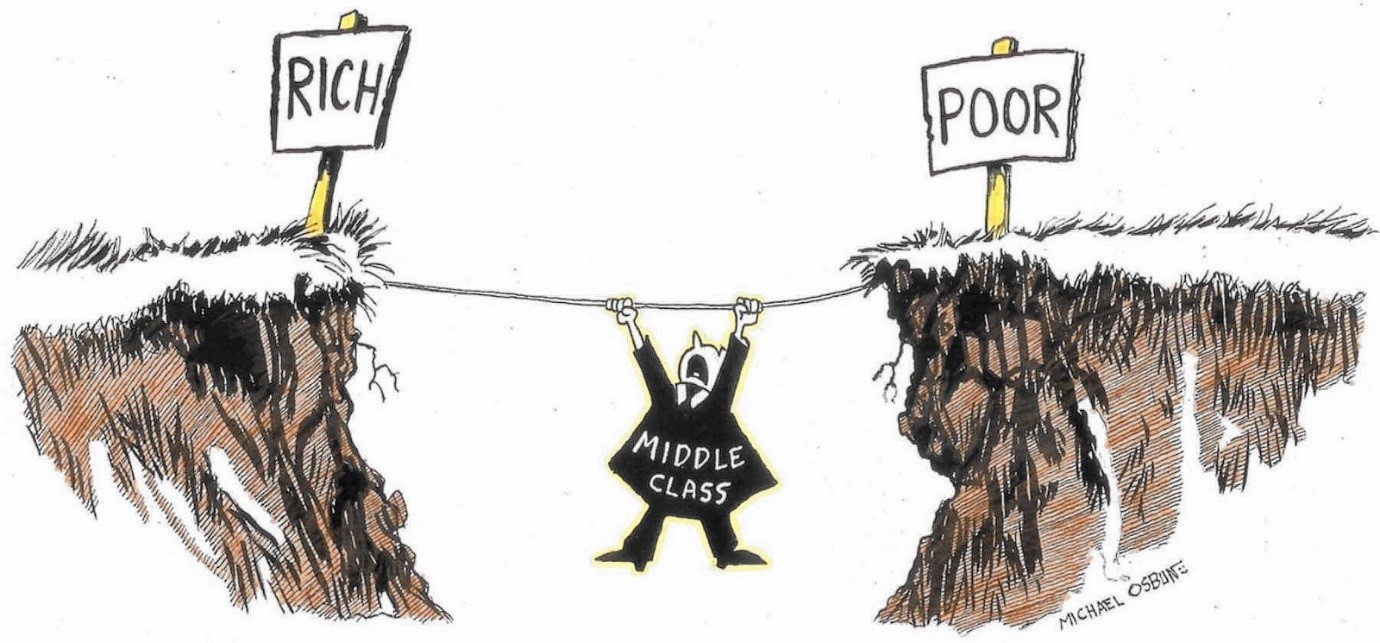
The recent Lok Sabha elections have highlighted a persistent issue in Indian politics: the middle class, despite being the backbone of the economy, continues to be politically neglected. With the Jharkhand Assembly elections on the horizon, the middle class once again faces an opportunity to assert its influence. However, historically, voter apathy among this segment has led to its marginalization. While lower-income groups vote in large numbers to secure government benefits, and the upper class exercises political influence through financial clout, the middle class remains disengaged. This disengagement has resulted in their concerns—rising taxes, increasing living costs, lack of subsidies—being ignored. This article explores why the middle class deserves more political attention and how their lack of participation has contributed to their neglect.

According to the Pew Research Center, the middle class consists of families whose income ranges from two-thirds to double the national median income. In India, this translates to families earning between ₹15,00,000 and ₹40,00,0000 annually. Reports from Oxfam India reveal that the wealthiest 10% control 77% of India’s wealth, leaving the middle class to shoulder a disproportionate share of the tax burden. As a key driver of economic growth through consumer spending, investments in education, and employment generation, the middle class plays a pivotal role in the nation’s development.
A major contributor to taxes
The middle class makes a substantial contribution to India’s tax revenues. In the 2023-2024 financial year, individual income tax collections, predominantly paid by the middle class, exceeded corporate tax collections. Individual income tax revenue was ₹1.15 lakh crore, while corporate tax revenue was ₹1.04 lakh crore. In addition to this direct tax burden, the middle class also bears significant indirect taxes, such as the Goods and Services Tax (GST), which lacks any form of relief or rebate. Lower-income groups benefit from government schemes and subsidies, and the upper class leverages tax breaks, leaving the middle class in a position where they are disproportionately responsible for the nation’s fiscal health without receiving commensurate benefits.
The Economic Survey also indicates that over 70% of individual taxpayers either paid no taxes or paid minimal amounts, illustrating that the middle and upper-middle classes shoulder most of the country’s tax burden.
Also Read- Jharkhand News Updates: PM to launch Rs. 9665 crore tribal development projects in Jharkhand
Political disengagement and voter apathy
The middle class’s political disengagement is one of the primary reasons for their continued neglect by successive governments. While lower-income groups vote in larger numbers, driven by direct benefits from government schemes and subsidies, the middle class often remains indifferent, feeling that their issues are not addressed. This disengagement creates a vicious cycle: since they do not vote in significant numbers, their needs—such as relief from rising living costs, indirect taxes, and lack of government support—are overlooked. Consequently, governments focus on more politically active groups, and the middle class remains left out of critical policy decisions.

As the Jharkhand Assembly elections approach, it remains to be seen whether the middle class will reverse this trend and assert their political influence, or whether they will continue to be passive participants in the democratic process.
Lack of representation
Another factor contributing to the middle class’s marginalization is their lack of cohesive political representation. Lower-income groups are more organized and vocal in advocating for their needs, and the upper class exerts influence through lobbying and financial contributions. By contrast, the middle class is fragmented by diverse professional and social backgrounds, making it difficult for them to form a unified political voice. This fragmentation weakens their ability to demand attention from political leaders and results in policies that cater to other, more organized groups.
The economic impact of middle-class neglect
The neglect of the middle class has far-reaching economic consequences. According to a study by the National Council of Applied Economic Research (NCAER), the middle class drives a significant portion of India’s GDP through their consumer spending. If their financial challenges—rising costs in education, healthcare, and daily necessities—continue to grow without government intervention, the resulting strain could lead to reduced spending. This could have a ripple effect, slowing economic growth and dampening India’s overall economic potential.

Also Read- Jharkhand Weather: Heavy rain likely in western parts in next 24 hours
Why the middle class is overlooked
The middle class’s low voter turnout is the primary reason they are politically overlooked. Governments are more likely to cater to groups that actively vote or wield influence through financial means. The middle class, which does neither to a significant extent, is left without strong political advocacy. Additionally, there is a prevalent misconception that the middle class is self-sustaining and does not require government support. However, this is far from the truth: the middle class faces increasing pressure from indirect taxes, inflation, and high costs in essential services such as healthcare and education. Without targeted government policies, they are left to bear these challenges on their own.
Conclusion
The middle class is a key pillar of India’s economic and social structure, and their continued political neglect is a matter of concern. As the Jharkhand Assembly elections approach, it is crucial for the middle class to engage in the political process and demand attention to their issues. Their low voter turnout in past elections has perpetuated a cycle of neglect, but the upcoming elections present a chance to change that dynamic. Political parties and policymakers must recognize the vital role the middle class plays in sustaining the economy and work to address their concerns through targeted policies and reforms.
A strong and politically engaged middle class is essential for a healthy democracy and a thriving economy. By breaking the cycle of voter apathy, the middle class can ensure that their voices are heard and that their contributions to the nation receive the recognition and support they deserve.
References and Links:
1. Pew Research Center – Middle Class Income Definition: [https://www.pewresearch.org](https://www.pewresearch.org)
2. Oxfam India Report – Wealth Inequality in India: [https://www.oxfamindia.org](https://www.oxfamindia.org)
3. Economic Survey of India: [https://www.indiabudget.gov.in/economicsurvey](https://www.indiabudget.gov.in/economicsurvey)
4. National Council of Applied Economic Research (NCAER): [https://www.ncaer.org](https://www.ncaer.org)
Also Read- SC rejects ex-RG Kar principal’s challenge to Calcutta HC’s CBI probe order into financial misconduct