






ASHOK BHAGAT
Just as we speak about our rights, we must also reflect on our duties. The government does not have solutions to all our problems. It can provide a system, but it is up to us to manage and operate it effectively. Placing duties alongside—indeed, sometimes above—rights can help free us from many social and political challenges.
We often speak of our rights and blame the government for our difficulties. But can the government truly solve every problem? No matter how efficient it may be, it cannot address everything. It can create frameworks and institutions, but their success depends on citizens’ participation and responsibility.

Historical Perspective: From Duty-Oriented Society to Rights-Focused Governance
History offers perspective. Before British rule, there was limited central interference in local administration. Local governance units functioned actively and responsibly. This fostered a positive public attitude toward governance. In those times, there was less emphasis on rights and a stronger sense of duty among people. However, during British rule, apathy toward governance gradually set in. A growing focus on rights began to overshadow duties.
Even after Independence, the administrative structure was not sufficiently reformed to nurture social and national consciousness. The emphasis on rights continued. While Fundamental Rights were enshrined in the Constitution by its framers, Fundamental Duties were added later through a constitutional amendment. The delay in introducing duties naturally led to greater awareness of rights and comparatively less attention to duties. As a result, a certain apathy toward administration, nation, and society has taken root. This imbalance must be corrected.
Social Issues Persist Despite Legal Safeguards
Placing duties alongside rights can help resolve many persistent social and political problems. For example, despite strict laws prohibiting dowry, the practice continues. Caste-based remarks are illegal, yet they persist in different forms. Maintaining cleanliness in our homes and neighbourhoods is a shared responsibility, yet many people casually dump garbage outside others’ homes.
When travelling on public transport, consideration for fellow passengers is often lacking. Violating traffic rules is sometimes treated as a matter of pride. Public cleanliness is frequently ignored. Similarly, issues of national importance often fail to receive due attention from citizens, including those who are otherwise responsible individuals.
Alarming Statistics Reflect Civic Neglect
Statistics underline the seriousness of this neglect. A 2025 report by the Ministry of Transport stated that around 80 people die daily in India for not wearing helmets. In 2022 alone, approximately 67,000 hit-and-run accidents were recorded, claiming over 30,000 lives.
According to the National Crime Records Bureau, 18 to 20 women die every day in India due to dowry-related causes. Diseases such as diarrhoea, cholera, typhoid, hepatitis, polio, intestinal worms, trachoma, dysentery, and schistosomiasis thrive primarily due to unhygienic conditions. If we treat hygiene as a collective social responsibility and act accordingly, many of these diseases can be prevented.
National Responsibilities Beyond Individual Rights
Just as we have social duties, we also bear national responsibilities. During war, epidemics, natural disasters, or other national crises, unity and solidarity are essential. Supporting our border forces, standing with security agencies against terrorism and extremism, and promoting a strong national spirit are responsibilities that cannot rest solely on the government. Citizens must actively participate.
We must remain vigilant against divisive forces such as regionalism, communalism, and linguistic chauvinism. Addressing these challenges requires public awareness and engagement. The government may initiate efforts, but their success depends on cooperation from society.
Collective Action: Lessons from the COVID-19 Pandemic
The COVID-19 pandemic demonstrated how collective unity can overcome even the gravest challenges. Despite immense hardship, people came together to fight the crisis. Such a spirit should continue. As conscious citizens, we must strive to balance our rights with our duties and remain committed to fulfilling both our social and national responsibilities.
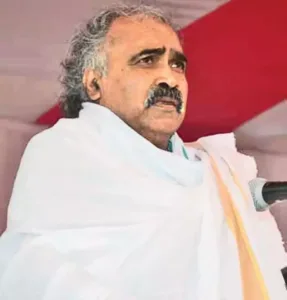
(The writer is a Padma Shri awardee and Secretary of Vikas Bharti, Bishunpur. He has been working for tribal development in the remote corners of Jharkhand for over four decades, focusing on sustainable livelihoods, education, health, and community empowerment.)
