
‘Why are lizards an overlooked creature in wildlife week celebrations?’ asks DFO Medininagar
THE JHARKHAND STORY NETWORK Daltonganj, October 4: As Jharkhand observes Wildlife Week with a focus on iconic species such as tigers, elephants,…
THE JHARKHAND STORY NETWORK
Daltonganj, October 4: As Jharkhand observes Wildlife Week with a focus on iconic species such as tigers, elephants, leopards, bears, wolves and deer, Divisional Forest Officer (DFO), Medininagar, Satyam Kumar has raised a different question: why do lizards rarely find a place in wildlife conservation campaigns?
While wildlife awareness programmes commonly centre around large animals and birds, Kumar has urged families and communities to recognise the ecological importance of smaller creatures, including the common house lizard.
‘Wildlife Is More Than Large Animals’
A former IFS officer who had served in the Palamu Tiger Reserve also questioned the traditional emphasis on large wildlife during such campaigns.
“Wildlife Week is highly discriminatory since the days when I was here. It is only for big animals. Smaller animals are discarded as creatures of lesser gods,” the former officer said.
Sharing similar views, Kumar urged families to show greater concern for animals found in and around their homes.

He pointed out that people commonly care for domestic animals such as cats and dogs, while lizards are often treated with fear or disdain despite being a familiar presence in almost every household.
Lizards Play a Role as Natural Pest Controllers
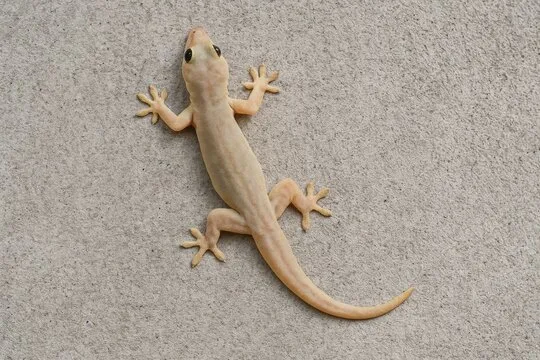
Kumar said the house lizard, commonly seen on walls and in corners of homes, is often overlooked despite its ecological importance.
“This Wildlife Week, lizards should be talked about. It’s a homely pest killer,” he said.

According to Kumar, wildlife conservation should not be restricted to large or charismatic species. Smaller animals also play important roles in maintaining ecological balance.
He said lizards occur across a wide variety of habitats, including forests, grasslands, agricultural fields, gardens and human settlements.
“Wildlife is not confined to protected forests and national parks. It’s also within the precincts of the house as well,” he said.
Lizards Also Form Part of the Food Chain
Addressing concerns that the presence of lizards may attract snakes because they are part of their diet, Kumar said lizards themselves act as natural pest controllers while also forming part of the food chain for birds, snakes and other predators.
He said there was no immediate indication that house lizards were facing the kind of population decline seen in some other commonly encountered species.
However, he cautioned that habitat changes, excessive use of pesticides, pollution and loss of vegetation can affect reptile populations, including lizards.
Protecting their habitats, he said, therefore contributes to conservation of the wider ecosystem.
‘Every Species Has a Role’
Kumar emphasised that Wildlife Week should be used to create awareness that conservation must not be limited to famous or endangered species.
“Every species has a role in maintaining the fabric of life. There must be respect for lizards,” he said.
He also cautioned people to distinguish harmless house geckos and other common lizards from potentially dangerous or protected reptiles.
Awareness, scientific understanding and responsible behaviour, he said, can help communities live safely alongside wildlife without posing a threat to either people or animals.
“The tiger may represent the grandeur of the forest, but the lizard represents the countless smaller organisms that quietly sustain its ecological processes,” Kumar said.
He suggested that schoolchildren and homemakers should also be made aware of the utility of lizards as natural controllers of household pests such as cockroaches.