Palamu police’s anti-crime vehicle checks raise questions over time spent per vehicle
THE JHARKHAND STORY NETWORK Daltonganj, October 14: Anti-crime vehicle checking is in full swing across Palamu, but the number of vehicles reportedly…
THE JHARKHAND STORY NETWORK
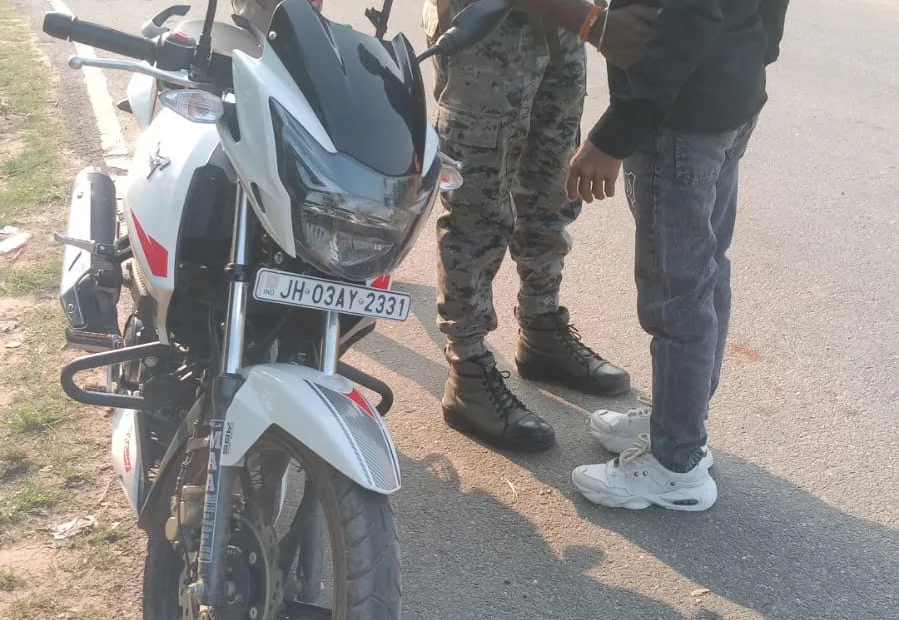
Daltonganj, October 14: Anti-crime vehicle checking is in full swing across Palamu, but the number of vehicles reportedly checked within a short period has raised questions about the thoroughness of the exercise.
According to a police press note, 1,538 vehicles, including 1,000 two-wheelers and 538 four-wheelers, were checked at 37 locations in just two hours on Tuesday.
A calculation based on these figures puts the average checking time at approximately 4.68 seconds per vehicle. This has prompted questions about whether a vehicle and its occupants can be adequately checked in such a short time.
The purpose of anti-crime checking could be undermined if the exercise is conducted in undue haste, particularly if the focus shifts from thorough scrutiny to achieving numerical targets.
Operation Prahar and Operation Safaya Make an Impact
Palamu Superintendent of Police Kapil Chaudhary’s Operation Prahar and Operation Safaya have reportedly dealt a significant blow to offenders. The element of surprise in vehicle checking is another important aspect of the police initiative, as motorists are often unaware of when and where checks will begin.

However, the effectiveness of these surprise checks may be affected by motorists alerting one another to police presence on the roads.
According to observations made by this correspondent, bikers approaching checkpoints from different directions often signal to other motorists about ongoing checks. Those without helmets or valid driving licences sometimes make abrupt U-turns to avoid scrutiny.
Public Supports Checking, but Thoroughness Matters
To gauge public opinion, this correspondent spoke to people from different walks of life. There was broad agreement among those approached that anti-crime vehicle checking was beneficial to society.

The central question, however, is whether the exercise is being conducted with the seriousness required to achieve its intended purpose.
Police officials need to ensure that vehicle checks are sufficiently thorough to serve as an effective deterrent to crime, rather than becoming a numbers-driven exercise. The reported figures raise questions that merit closer examination of how the checks are conducted on the ground.