







THE JHARKHAND STORY DESK
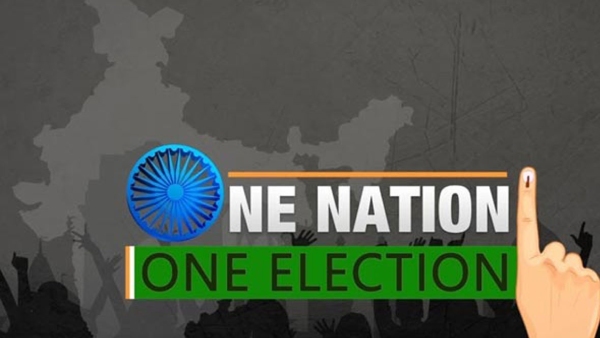
New Delhi, July 8: Former Chief Justices of India (CJIs) have broadly endorsed the constitutional validity of the ‘One Nation, One Election’ concept in their submissions to the Joint Parliamentary Committee, but also flagged serious concerns over the sweeping powers proposed for the Election Commission of India (ECI) and potential risks to electoral fairness.
In written opinions and during appearances before the committee, former CJIs including Justice D.Y. Chandrachud, Justice Ranjan Gogoi, Justice J.S. Khehar, and Justice U.U. Lalit provided legal insight into the proposed Constitutional Amendment Bill that seeks to synchronize Lok Sabha and state assembly elections.
Also Read- Jharkhand records 70% surplus rainfall in monsoon so far
Chandrachud Rejects Basic Structure Argument Against Simultaneous Polls
In his written opinion, Justice D.Y. Chandrachud, who recently retired as Chief Justice of India, rejected the opposition’s argument that simultaneous elections would violate the basic structure of the Constitution, stating:

“Nowhere does the Constitution mandate that national and state elections must be held separately… the staggered timing of elections is not an immutable constitutional feature.”
He emphasized that voters’ rights are not infringed by simultaneous elections, and that arguments assuming Indian voters are easily misled undermine the democratic process itself.
Concerns Over ‘Unlimited Powers’ to Election Commission
However, Justice Chandrachud joined Justice Ranjan Gogoi in questioning the proposed “sweeping and undefined powers” given to the Election Commission under the draft bill. He warned that such powers, without explicit constitutional safeguards, could allow the poll body to alter or extend the tenure of state assemblies, potentially eroding federal principles.
“The Constitution should define, delineate, and structure the circumstances under which the ECI can exercise such power,” he noted.
Both Justices Chandrachud and Khehar are scheduled to appear before the committee chaired by BJP MP P.P. Choudhary on July 11 to answer member queries.
Also Read- Dhanbad Sadar Hospital becomes Jharkhand’s 1st to offer 28 free tests
Gogoi, Lalit Caution Against Electoral Imbalance and Legal Pitfalls
Justice Ranjan Gogoi, during an earlier interaction with the committee, also expressed concern about the excessive authority proposed for the Election Commission, aligning with concerns raised by several committee members.
Meanwhile, Justice U.U. Lalit suggested that if simultaneous elections are implemented, they should be held in a phased and calibrated manner. He argued that forcing state assemblies to shorten their terms for synchronization could open the law to legal challenges on constitutional grounds.
Need for a Level Playing Field: Smaller Parties at Risk
Justice Chandrachud also raised concerns about electoral fairness, especially for smaller or regional parties. He pointed out that simultaneous elections could amplify the dominance of national parties with larger financial and organizational resources.
He proposed stronger regulation of election expenditure, particularly the spending by political parties, which currently falls outside the legal cap imposed on individual candidates.
“This regulatory imbalance favors financially stronger parties. To ensure a level playing field, campaign finance rules must be legislatively strengthened,” he stated.
Also Read- Key suspect in Patna businessman’s murder gunned down in police encounter
Key Takeaways from Former CJIs’ Opinions
- All four former CJIs agree that simultaneous elections do not violate the Constitution.
- Major concern: Undefined discretionary powers for the Election Commission.
- Justice Chandrachud and Gogoi: Urge guidelines and limitations for ECI authority.
- Justice Lalit: Warns against curtailing assembly terms; suggests phased synchronization.
- Concerns raised about regional party marginalization and financial imbalance in elections.
(For more such stories you may visit indianmasterminds.com)
