No law student to face exam ban over attendance, rules Delhi High Court
New Delhi, Nov 3: In a landmark decision aimed at safeguarding students’ mental well-being, the Delhi High Court on Monday directed…
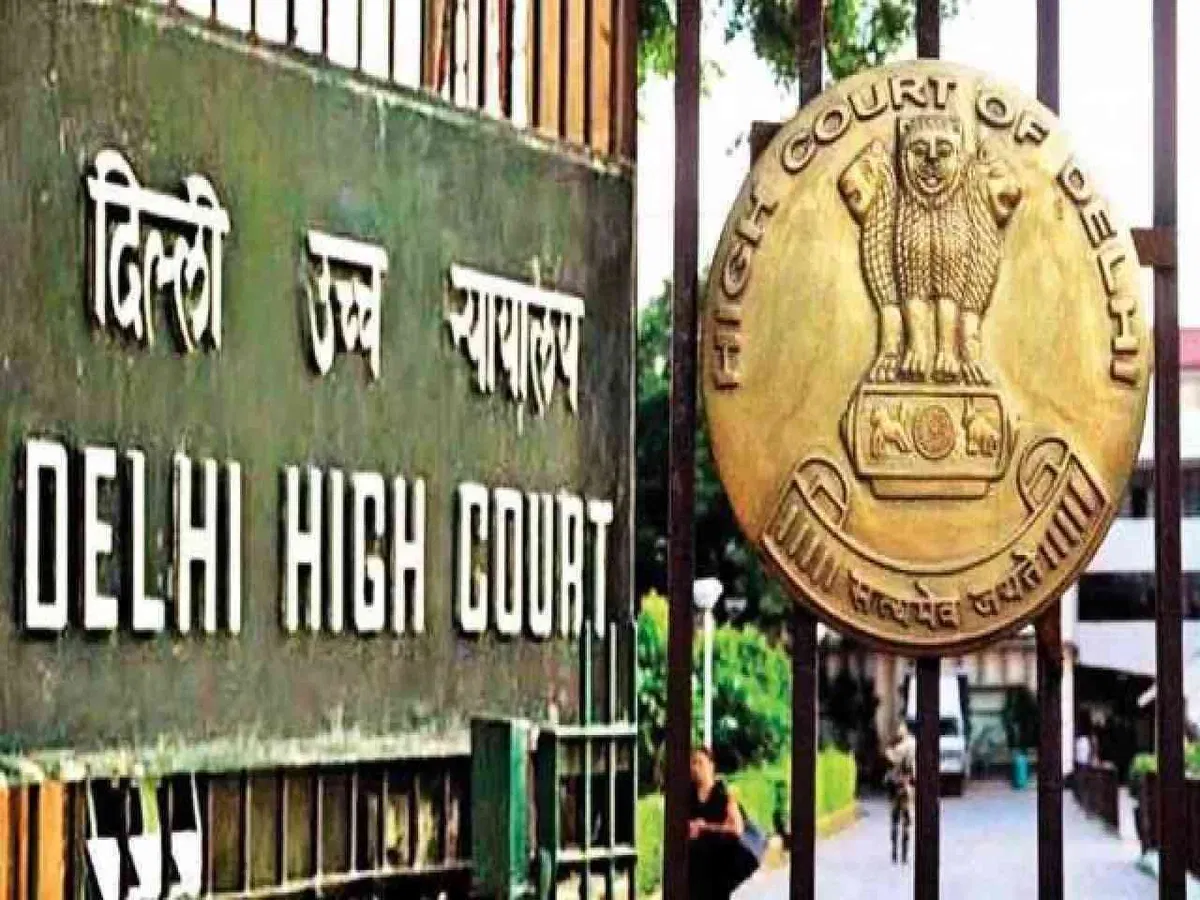
New Delhi, Nov 3: In a landmark decision aimed at safeguarding students’ mental well-being, the Delhi High Court on Monday directed that no law student across India should be barred from appearing in examinations or advancing academically due to shortage of attendance.

A division bench of Justices Prathiba M. Singh and Amit Sharma emphasized that academic regulations must not become so rigid that they cause emotional distress or, in extreme cases, loss of life.
“This court is strongly of the view that norms education in general and legal education in particular, cannot be made so stringent so as to lead to mental trauma, let alone death of a student,” the court observed while pronouncing its verdict.
Also Read- Deepti Sharma: From Agra’s lanes to World Cup glory and DSP rank
The judgment came while disposing of a suo motu case that stemmed from the tragic 2016 death of Amity law student Sushant Rohilla, who reportedly took his own life after being denied permission to take his semester exams for want of requisite attendance.
The Supreme Court had initiated the matter in September 2016, later transferring it to the High Court in 2017.

Calling for a more compassionate approach, the bench instructed the Bar Council of India (BCI) to review and modify its attendance policy after consulting key stakeholders, including students, parents, and educators.
The court said the move should be taken up urgently to prevent recurrence of incidents that could endanger students’ lives or mental health.
Pending these reforms, the High Court issued interim directions: no student enrolled in any recognised law university or college shall be stopped from taking examinations or continuing academic progress solely due to attendance shortage. Furthermore, institutions cannot impose attendance norms stricter than those prescribed by the BCI.

Also Read- Court clears ex-coal secretary, others in Chhattisgarh coal block allocation case
The court also outlined immediate steps for compliance — law colleges must post weekly attendance updates on online portals or apps, send monthly attendance reports to parents or guardians, and arrange supplementary classes, physical or virtual, for students lagging behind.
Through this judgment, the High Court has sought to balance academic discipline with compassion, ensuring that educational institutions prioritise students’ welfare alongside procedural requirements.