Ranchi Hospital Death Sparks Outrage, CM Orders Probe Into Alleged Negligence
A month-long battle for survival ends in tragedy — and now, in a political and legal reckoning The death of a young…
A month-long battle for survival ends in tragedy — and now, in a political and legal reckoning
The death of a young accident victim after more than five weeks of treatment at a private hospital in Ranchi has reopened a familiar and painful debate in Jharkhand: who is accountable when private healthcare fails a family at its most vulnerable moment?

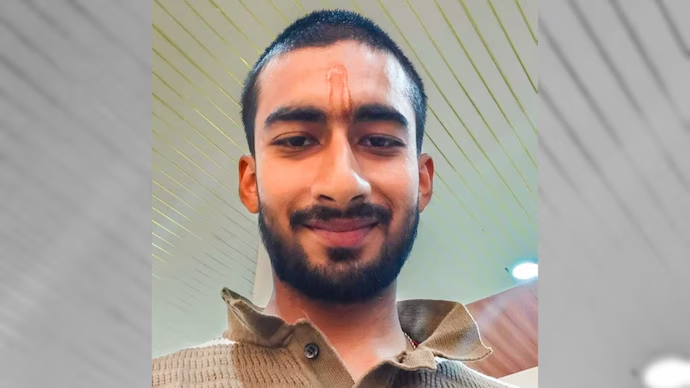
Raju Kumar Pandey of Latehar district was critically injured in a road accident near Brahmani in Chandwa on May 24. After emergency care at Latehar Sadar Hospital, doctors referred him to RIMS — but his family instead chose to shift him to a private facility in Ranchi, hoping for better outcomes. For 37 days, he remained under treatment. He did not survive.
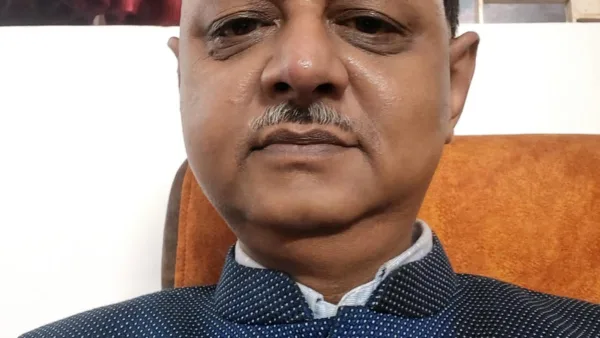
What followed was not just grief, but confrontation. The family has accused the hospital of medical negligence, callous handling of the patient, and inflating costs — allegations serious enough that Raju’s father, Rajesh Pandey, has gone as far as demanding a murder case be registered against the treating doctors. He described private hospitals, in his anguish, as institutions that prey on desperate families rather than heal them. Tempers boiled over into a protest inside the hospital premises, with visuals of an alleged confrontation at the front office spreading rapidly across social media.
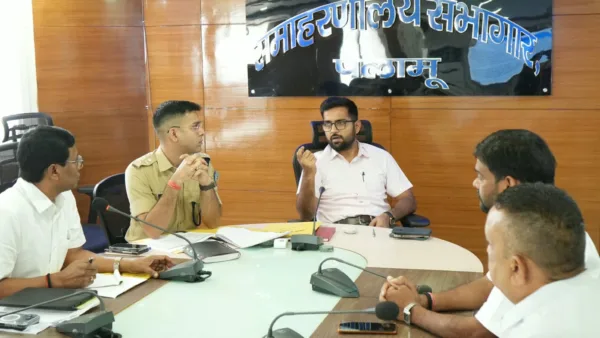
The scale of public attention has forced the state’s highest office to respond. Chief Minister Hemant Soren has directed the Ranchi Deputy Commissioner to launch a detailed investigation, with assurance that strict action will follow if wrongdoing is established. It is a move that signals the administration is unwilling to let this be dismissed as just another hospital dispute.
The hospital, for its part, has pushed back firmly against the negligence narrative. According to its management, Raju arrived with severe polytrauma — a traumatic brain injury, fractures to the spine and cervical region, chest trauma, and multiple other fractures — and was treated by a full multidisciplinary specialist team using ventilator support, surgical intervention, transfusions, and ICU care throughout. Crucially, the hospital claims doctors repeatedly recommended amputating the patient’s left leg to control vascular damage and infection, but that the family refused consent despite repeated counselling sessions.

The hospital’s General Manager has also disputed the financial allegations point by point. Contrary to claims of a ₹22 lakh bill, he put the actual treatment cost at around ₹18 lakh — of which roughly ₹10 lakh was covered by insurance and ₹5 to 5.5 lakh paid directly by the family, with a ₹50,000 discount extended and about ₹2 to 2.5 lakh still outstanding. He maintained that the family had been told on the very first day of admission that survival chances were extremely slim, and suggested that billing objections only surfaced at the point of final settlement — not before.
What remains is a case built on two starkly opposing accounts: a grieving family convinced their son was failed by a system built on profit, and a hospital insisting it did everything medically possible against overwhelming odds. On July 4, a state enquiry team visited the facility and began collecting treatment records and documentation — the first concrete step toward establishing what actually happened over those 37 days.
For Jharkhand, this case is likely to become a touchstone in the larger, unresolved conversation about oversight of private healthcare in the state — one where families often feel they have nowhere to turn when things go wrong, and hospitals feel unfairly targeted when outcomes are tragic despite best efforts. The Deputy Commissioner’s findings, whenever they arrive, will carry weight well beyond this one family’s loss.