Sohrai Jatra festival: A vibrant celebration of tribal culture and Nature in Jharkhand
As the golden paddy fields of Jharkhand shimmer after harvest, tribal villages across the region come alive with the rhythmic beat…
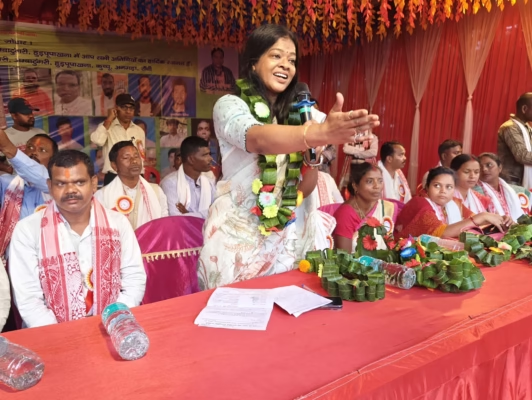
As the golden paddy fields of Jharkhand shimmer after harvest, tribal villages across the region come alive with the rhythmic beat of drums, the clinking of traditional ornaments, and the joyous echo of folk songs. This marks the arrival of Sohrai Jatra — a vibrant festival that celebrates nature, livestock, and the deep spiritual bond between the tribal communities and the land they nurture.
The Sohrai Jatra is more than just a fair; it is a living expression of tribal identity. Each jatra begins after ritual worship. Villagers gather to worship their deities, offer thanks to nature for a successful harvest, and seek blessings for the next agricultural season. Homes and cowsheds are cleaned and decorated, and farming implements are repaired and worshipped — a symbolic gesture of gratitude and renewal before the next sowing cycle begins.
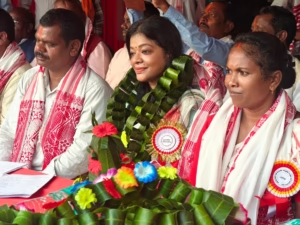
Sohrai Jatra is celebrated after the rice harvest — the main crop for the tribals. Before entering another sowing season, they offer thanksgiving to the Gods and nature for a good harvest and pray for blessings for the next one.
It’s special because villagers also worship and give thanks to the animals, who not only help in farming but also sustain families with milk, manure, and sometimes even meat. It’s a festival that beautifully reflects respect for all living beings.

A Festival of Faith and Fellowship
During the Sohrai Jatra, villages such as Nawagarh, Kuchu, Ormanjhi, and Getalsud come together in a spirit of unity and celebration. Traditional dance competitions are held to promote and preserve local culture, while community feasts and musical performances create an atmosphere of joy and togetherness.
Although many associate the word Jatra with a “fair,” for the tribals it carries a much deeper meaning. A Jatra is a customary tribal practice, rooted in centuries-old traditions that blend faith, social order, and collective life. It is a time when villagers reaffirm their bonds — not only with each other but also with their ancestors and deities.
Cultural Significance Across Jharkhand
Across Jharkhand, Jatras or melas — such as Sarhul Jatra, Karam Jatra, and Sohrai Jatra — play an important role in preserving tribal heritage. These gatherings serve as community hubs where age-old customs are passed down through dance, music, storytelling, and ritual worship.


Each Jatra celebrates a connection with the natural world and the rhythm of agricultural life. They also act as social equalisers — moments when all members of the village, regardless of social standing, gather to celebrate, resolve disputes, and strengthen communal harmony.
In many places, these festivals have evolved to include cultural competitions and exhibitions that showcase traditional crafts, tribal art forms, and indigenous knowledge systems. Yet, at their core, they remain deeply spiritual — honouring the bond between humans, animals, and nature.
Preserving a Living Heritage
While modern life has brought change to tribal regions, festivals like Sohrai Jatra remain powerful symbols of cultural resilience. They remind us that the relationship between people, land, and belief is sacred — and that the spirit of gratitude and coexistence continues to guide Jharkhand’s tribal communities.
As the drums fade into the night and the last lamps flicker before dawn, Sohrai Jatra leaves behind not just memories of celebration, but a reaffirmation of identity — one rooted in religious faith, community, and harmony with nature.
(The writer is a dedicated civil servant known for her deep connection to her tribal roots and her active efforts to promote and preserve indigenous culture. Hailing from Jharkhand, she has been an advocate for the recognition of tribal traditions, sustainable development, and women’s empowerment in rural areas. Beyond her official responsibilities in the Indian Revenue Service, Nesha is also known for her cultural engagement — often highlighting the importance of festivals like Sohrai Jatra in strengthening community bonds and protecting tribal heritage. Her work bridges the gap between governance, tradition, and grassroots cultural awareness.)