Sona Devi University Marks World Mental Health Day, stresses student well-being
THE JHARKHAND STORY NETWORK Jamshedpur, October 12: Sona Devi University observed World Mental Health Day 2026 at its Swami Vivekananda Auditorium with…
THE JHARKHAND STORY NETWORK
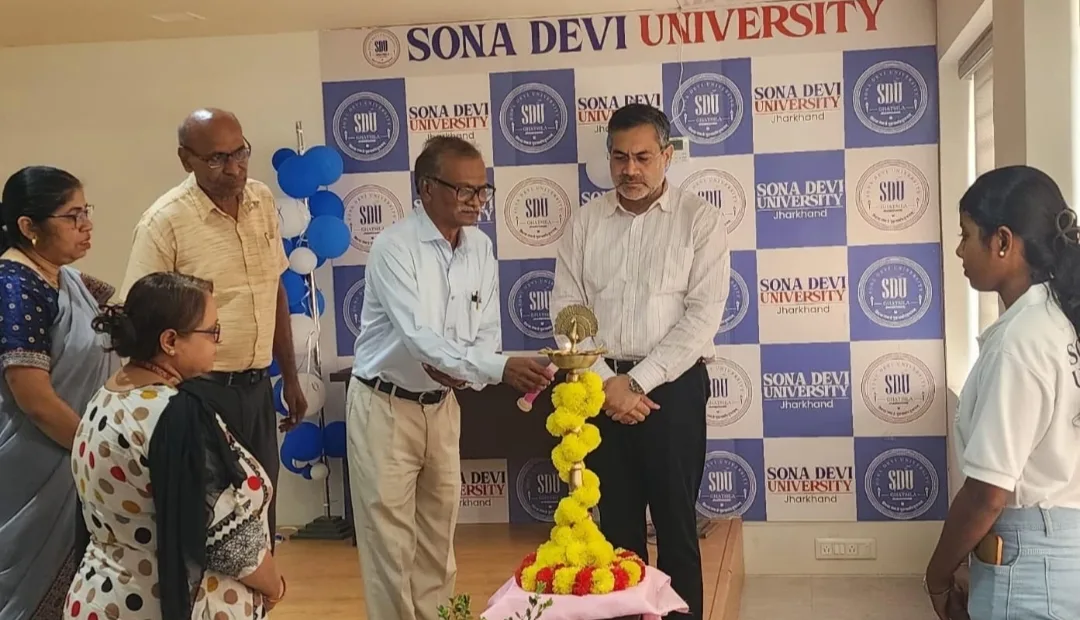
Jamshedpur, October 12: Sona Devi University observed World Mental Health Day 2026 at its Swami Vivekananda Auditorium with an awareness programme highlighting the importance of mental well-being, stress management and a balanced lifestyle among students.
The programme brought together university officials, department heads and students to discuss emotional resilience, positive thinking and the role of mental health in individual and national development.
Chancellor Prabhakar Singh emphasised the close relationship between physical fitness, mental well-being and intellectual growth, describing them as the foundations of a strong society and a developed India.
“Healthy bodies, healthy minds and developed intellectual abilities are the cornerstones of a strong society and a developed India,” he said, urging students to face life’s challenges with confidence, courage and determination.
Faculty Members Highlight Importance of Mental Well-Being
The programme was conducted by Kusum Kumari Lakra, head of the Department of Psychology, who emphasised the need to encourage open discussions on mental health.
She said emotional stability, positive thinking and psychological resilience were essential for students navigating academic pressure and other challenges.
Krishnanand Datta, head of the Department of Mathematics, encouraged students to adopt disciplined routines and healthy habits to support their mental well-being. History student Manvi Hembram also shared her views, highlighting the importance of student participation in conversations about mental health.

Shivchandra Jha, head of the Department of Political Science, linked mental well-being with the broader development of society and the nation. He observed that a country’s progress should not be measured solely by economic growth, scientific achievements or educational excellence, but also by the physical and mental well-being of its citizens.
He said mental health influences personality, social behaviour, decision-making and an individual’s ability to cope with life’s challenges. Mentally healthy individuals, he added, were better equipped to fulfil their responsibilities towards their families, society and the nation.
Students Urged to Balance Academic Pressure and Personal Well-Being
Registrar Nit Nayna stressed that mental well-being, self-confidence and positive thinking were essential for academic success and the overall development of students.
She encouraged students to maintain balanced daily routines, share their concerns with others and seek appropriate guidance when necessary rather than ignore stress.
Vice-Chancellor Prof. Braj Mohan Pat Pingua said education should extend beyond classroom learning and examinations to nurture critical thinking, creativity, confidence and problem-solving abilities.
He urged students to incorporate yoga, exercise and disciplined routines into their daily lives, noting that good mental health helped them realise their potential and contribute meaningfully to society.
Prabhakar Singh Draws Inspiration from Vajpayee’s Poem
Drawing inspiration from former Prime Minister and poet Atal Bihari Vajpayee’s celebrated poem Haar Nahi Manunga, Raar Nahi Thanunga, Singh encouraged students not to surrender to adversity.
He suggested reading, music and yoga as ways to manage academic stress and promote concentration, emotional balance and a positive outlook.
The chancellor urged students to pursue their goals with perseverance, hard work and discipline, viewing difficulties as opportunities for learning and self-improvement rather than reasons for despair.
Chancellor Calls for Education Rooted in Social Responsibility
Emphasising the importance of social responsibility, Singh urged students to become contributors to society rather than merely beneficiaries.
“The hand that gives is above the hand that receives,” he remarked, encouraging students to use their knowledge, skills and abilities for the welfare of others.
He also called for a student-centric education system that prioritises intellectual development, independent thinking and problem-solving alongside academic achievement.
The programme concluded with a vote of thanks by Kanchan Sinha, who expressed gratitude to the university leadership, faculty members, speakers and students for their participation and support.