Tata Main Hospital hosts Ponseti technique workshop for clubfoot treatment
THE JHARKHAND STORY NETWORK Jamshedpur, September 9: Tata Main Hospital (TMH) organised a specialised workshop on the Ponseti Technique for the treatment…
THE JHARKHAND STORY NETWORK
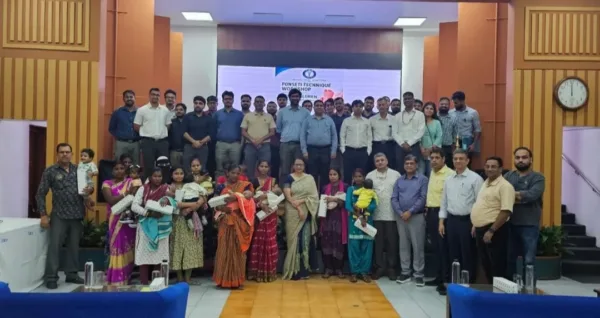
Jamshedpur, September 9: Tata Main Hospital (TMH) organised a specialised workshop on the Ponseti Technique for the treatment of clubfoot (CTEV), focusing on strengthening clinical skills, promoting early intervention and improving long-term outcomes for children affected by the condition.

The workshop was organised by the Department of Joint Replacement and Orthopaedics at TMH and brought together medical professionals for academic sessions, practical demonstrations and interactive discussions on the management of clubfoot.
Focus on early intervention and effective treatment
The workshop covered the principles and practical application of the Ponseti method, a widely accepted approach to clubfoot management involving gentle manipulation, serial casting and structured follow-up.
The sessions also focused on correction techniques, casting methods, follow-up protocols and strategies to minimise the risk of recurrence.
Experts lead academic and hands-on sessions
The programme was inaugurated by Dr Vinita Singh, General Manager, Medical Services. The academic and hands-on sessions were conducted under the leadership of Dr J. K. Layek, Head of the Department of Joint Replacement and Orthopaedics, along with members of the departmental team.
The workshop was organised in association with the Tata Steel Foundation.
Through demonstrations and interactive discussions, participants gained practical insights into Ponseti correction and the importance of consistent follow-up in ensuring effective and sustained correction.

Aim to improve mobility and long-term outcomes
The initiative reflects TMH’s focus on early detection, timely treatment and effective management of clubfoot.
The hospital said such interventions can help affected children achieve improved mobility, greater independence and better long-term functional outcomes.