Jharkhand CM Hemant Soren pushes e-cycle plan for students
Ranchi, June 1: Chief Minister Hemant Soren on Monday directed officials to prepare a comprehensive action plan for the distribution of e-cycles…
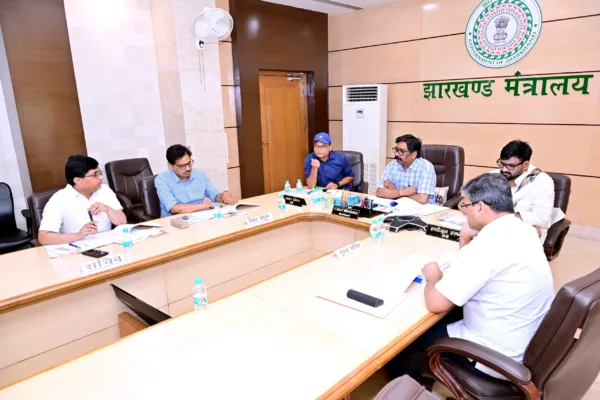
Ranchi, June 1: Chief Minister Hemant Soren on Monday directed officials to prepare a comprehensive action plan for the distribution of e-cycles to students, describing the initiative as a key step towards improving access to education in Jharkhand’s remote and rural areas.
The directive came during a review meeting of the Department of Welfare for Scheduled Tribes, Scheduled Castes, Minorities and Backwards Classes at the Jharkhand Secretariat, where the Chief Minister assessed the progress of major welfare schemes and programmes being implemented across the state.
E-Cycles to Improve School Access
Reviewing the bicycle distribution scheme, Soren asked officials to explore replacing conventional bicycles with e-cycles and develop a practical implementation roadmap in coordination with the Welfare Department, School Education and Literacy Department, and Industry Department.
The Chief Minister said many students living in remote and inaccessible regions face challenges in reaching schools and educational institutions.
“Providing facilities such as e-cycles can improve students’ access to education and help ensure regular attendance,” he said while directing officials to ensure timely delivery of benefits to eligible students.
Direct Interaction With Employment Scheme Beneficiaries
During the meeting, Soren also interacted via video conferencing with beneficiaries of the Mukhyamantri Rojgar Srijan Yojana (MRSY) to assess the scheme’s impact on self-employment and income generation.

He sought information on loans sanctioned, businesses established, income levels, employment generation and support received from banks.
Beneficiaries informed the Chief Minister that the scheme had helped them become self-reliant and create livelihood opportunities in their local communities.
The Chief Minister directed officials to speed up the disposal of pending applications and strengthen training support for beneficiaries. He also proposed setting up a dedicated call centre to regularly collect feedback and resolve issues faced by beneficiaries.

Better Facilities in Residential Schools and Hostels
Soren reviewed the functioning of Minority Residential Schools, Eklavya Model Residential Schools and tribal hostels across the state.
He directed officials to ensure adequate teaching staff, quality food, sanitation, security, drinking water, electricity and healthcare facilities in educational institutions and hostels.
The Chief Minister also instructed officials to expedite the transfer of students from NGO-run Ashram schools to Chief Minister Schools of Excellence.
Skill Development Programmes to Be More Job-Oriented
Reviewing youth employment initiatives, Soren directed officials to redesign skill development programmes to make them more practical, market-driven and result-oriented.
He stressed the need for training modules aligned with local industries and employment opportunities so that trainees can secure jobs or start self-employment ventures after completing their courses.
Awareness Campaigns on SIR and Census
The Chief Minister also called for special awareness programmes in schools on the Special Intensive Revision (SIR) process and the Census, saying students can play an important role in spreading awareness among families and communities.
Help Desks for SC/ST Patients in Hospitals
In a separate review of welfare department-run hospitals, Soren directed officials to establish dedicated help desks for Scheduled Tribe and Scheduled Caste patients in all district hospitals, including RIMS, to assist them with registration, consultations and treatment-related procedures.
He also reviewed the progress of graveyard fencing projects and the construction of traditional community structures, directing officials to complete the works on priority.
The meeting was attended by Welfare Minister Chamra Linda, Minority Welfare Minister Hafizul Hasan, Chief Secretary Avinash Kumar and senior departmental officials.