Chhattisgarh Civil Society blames recruitment freeze for deepening health crisis
Raipur, June 22: Chhattisgarh’s healthcare system is facing a deepening crisis, with thousands of doctor and faculty posts lying vacant across government…
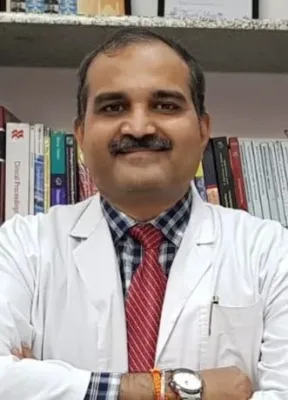
Dr Kuldeep Solanki
Raipur, June 22: Chhattisgarh’s healthcare system is facing a deepening crisis, with thousands of doctor and faculty posts lying vacant across government hospitals and medical colleges despite the availability of more than 17,000 registered doctors in the state. A report submitted by the Chhattisgarh Civil Society has alleged that years of stalled recruitment and policy neglect have pushed public healthcare to the brink.
The civil society group has written a 16-page letter to the Chief Secretary, highlighting severe shortages of doctors, specialists and teaching faculty in government medical institutions and calling for urgent intervention to prevent further deterioration of healthcare services.
Recruitment Freeze at the Heart of Crisis
According to the report, no regular recruitment of doctors has been conducted through the Chhattisgarh Public Service Commission (CGPSC) since 2020, even though the state has a substantial pool of qualified medical professionals.
The Chhattisgarh Medical Council currently has 17,142 registered doctors, including 11,132 MBBS doctors, 2,850 MD specialists, 2,740 MS surgeons and over 400 super-specialists. The report also notes that around 5,000 temporary doctors are available in the state.
Kuldeep Solanki, President of Chhattisgarh Civil Society and former president of the Indian Medical Association (IMA), said the issue is not a shortage of doctors but the lack of regular appointments.
“The government’s repeated claim of a shortage of doctors does not stand scrutiny. More than 17,000 doctors are registered with the Chhattisgarh Medical Council, yet regular recruitment through the CGPSC has remained stalled since 2020. Government hospitals and medical colleges are facing an unprecedented manpower crisis despite the availability of qualified professionals. Unless transparent and regular recruitment is initiated immediately, the state’s healthcare system will continue to suffer and patients will bear the consequences,” Solanki said.
Medical Colleges Grappling With Massive Vacancies
The report paints a grim picture of staffing levels in government medical colleges, where more than half of sanctioned teaching and clinical posts remain vacant.
Senior Residents, who play a critical role in patient care and hospital operations, are the worst affected. Of the 518 sanctioned Senior Resident posts, 375 are vacant, resulting in a vacancy rate of over 72 percent.
Vacancies among faculty members are also alarming, with nearly half of all positions for Professors, Associate Professors and Assistant Professors remaining unfilled. Experts have warned that prolonged staff shortages could adversely affect both medical education and healthcare delivery.

Specialist Shortage Hits Rural Healthcare
The situation is equally serious among specialist doctors.
Out of 1,773 sanctioned specialist posts, only 355 are currently filled, leaving nearly 80 percent vacant. The report states that districts such as Mohla-Manpur and Sukma have no specialists at all, affecting access to critical healthcare services in remote and tribal regions.
The state’s healthcare system also relies heavily on contractual and ad-hoc appointments, with only a small proportion of doctors serving in regular positions.
Young Doctors Discouraged by Bond Policy
The civil society group has also questioned the state’s bond policy for medical graduates.
According to the report, MBBS graduates are required to either serve for two years in rural areas or pay a penalty of ₹25 lakh, while postgraduate doctors must complete two years of service or pay ₹50 lakh. The organisation argues that the policy has discouraged doctors from remaining in the state and has adversely affected the reputation of medical education in Chhattisgarh.
Intern doctors currently receive a daily honorarium of ₹530, while bonded doctors receive ₹49,000 per month, figures that are reportedly lower than those offered by several other states.
Public Healthcare Losing Ground
The report highlights a growing dependence on private healthcare facilities in the state.
While national benchmarks recommend that at least one-third of healthcare services should be provided through the public sector, the government’s share in Chhattisgarh has reportedly fallen below 15 percent. As a result, nearly 85 percent of healthcare services are now being delivered by private providers.
The report further notes that no kidney, liver or heart transplant has yet been performed in the state’s public healthcare system, forcing patients to seek advanced treatment outside Chhattisgarh.
Medical Colleges Face Infrastructure Challenges
The memorandum cites serious deficiencies in institutions such as Kanker Medical College and Government Medical College, Rajnandgaon.
Kanker Medical College currently operates from three separate locations several kilometres apart and lacks faculty in key departments including ENT, Dermatology and Biochemistry. Students also face difficulties due to the absence of hostel facilities.
At Rajnandgaon Medical College, several departments reportedly function without Heads of Departments, while some disciplines have no professors at all. The Radiology Department is being managed by a single temporary radiologist.
Civil Society Seeks Immediate Reforms
The Chhattisgarh Civil Society has urged the government to immediately begin transparent and regular recruitment through the CGPSC, fill all vacant faculty and specialist posts, improve stipends and honorariums for doctors, reform the bond policy and increase healthcare spending.
The organisation has also called for strengthening medical infrastructure in remote districts and introducing advanced services such as kidney and liver transplants in government hospitals.
Solanki said access to healthcare is a constitutional obligation and warned that continued delays in recruitment would further weaken the state’s public health system.