‘Jado se jude rahiye aur udaan bhariye’: Nesha Oraon calls for balancing tribal roots with modern aspirations
THE JHARKHAND STORY NETWORK RANCHI, August 13: Usha Martin University organised an academic panel discussion on “Media, Culture, and Society: Reimagining the…
THE JHARKHAND STORY NETWORK
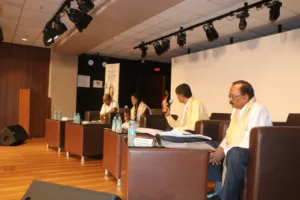
RANCHI, August 13: Usha Martin University organised an academic panel discussion on “Media, Culture, and Society: Reimagining the Adivasi Narrative in Contemporary India” to mark World Tribal Day.
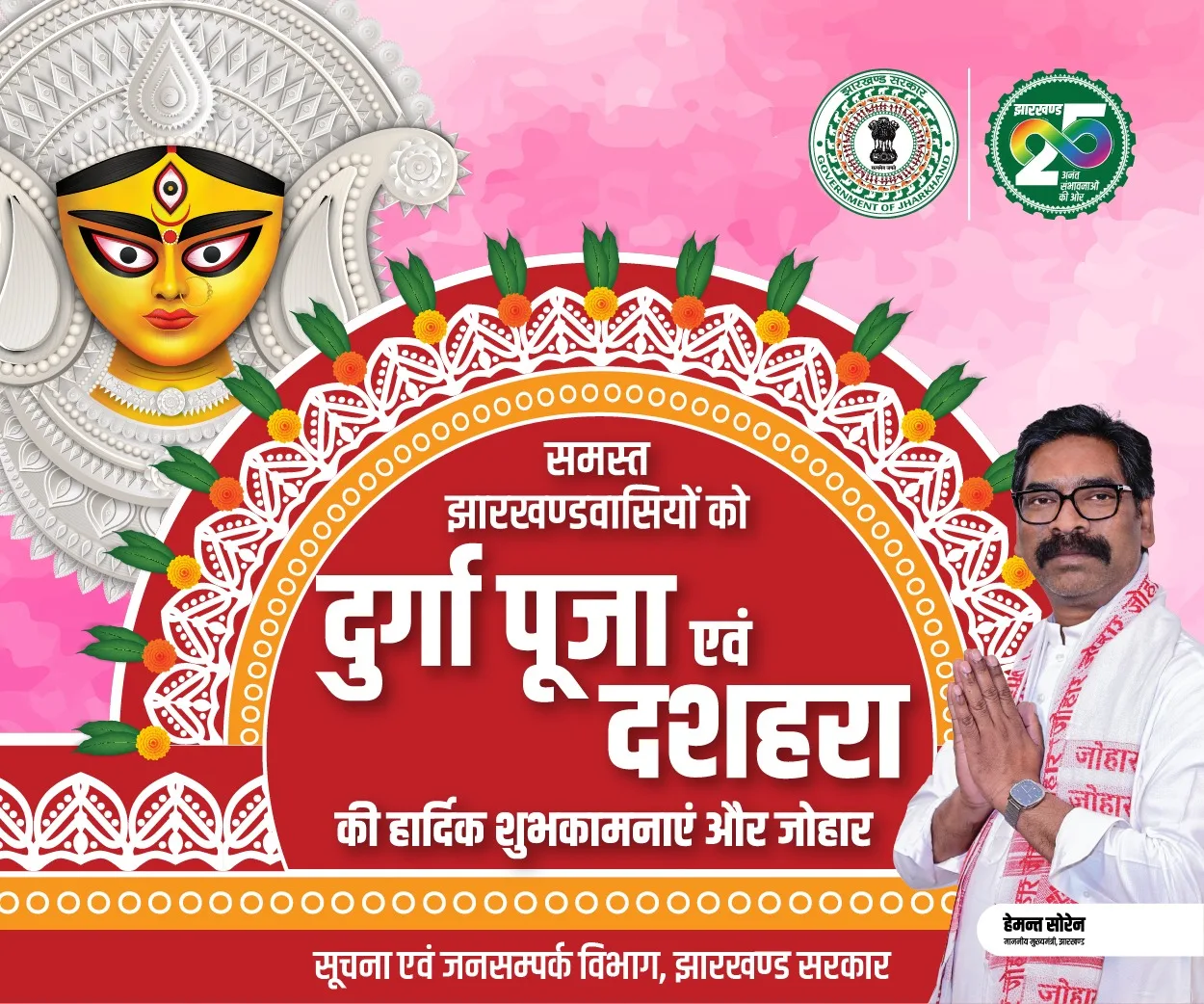
Organised by the Faculty of Journalism and Mass Communication (FJMC), the discussion brought together academics, media professionals, faculty members and students to examine Adivasi identity, culture, literature, education, sustainability and media representation in contemporary India.
Nesha Oraon urges youth to stay connected to their roots
The panel featured Nesha Oraon, IRS, Commissioner of Income Tax; Prof Satya Narayan Munda, former Vice-Chancellor of Dr Shyama Prasad Mukherjee University; and Dr Santosh Kiro, former journalist and tribal author. Veteran journalist Suman Shrivastava moderated the discussion.
Speaking during the discussion, Nesha Oraon emphasised that embracing modern education and professional opportunities does not require Adivasi communities to give up their traditions and cultural identity.
She urged young Adivasis to remain connected to their roots while entering new educational and professional spaces. She said those who have gained access to such opportunities can become role models and create pathways for members of their communities who have yet to enter these fields.
Her message, “Jado se jude rahiye aur udaan bhariye” (Stay connected to your roots and soar), captured the central theme of the discussion—remaining rooted in one’s cultural identity while pursuing new opportunities.
‘Adivasis are the roots of India’
Oraon also highlighted the close relationship between Adivasi communities and nature, describing tribal communities as the “roots of India.”

She underlined the significance of nature worship in tribal traditions and stressed the need for sustainable use of natural resources to protect both livelihoods and cultural heritage.
She also emphasised the importance of collective living and cooperation, saying these values should remain relevant even as young people enter increasingly competitive educational and professional environments.
Tribal identity and sustainable development
Prof Satya Narayan Munda stressed the importance of enabling tribal communities to sustain themselves while preserving their cultural identity.
He said development policies and practices must take into account the survival and sustainability of tribal communities, particularly their traditional relationship with natural resources.
Dr Santosh Kiro appreciated Usha Martin University for providing an academic platform for focused discussion on tribal issues.
He said tribal concerns have not always received adequate attention in university-level discussions and described the initiative as an important step towards bringing Adivasi perspectives into mainstream academic discourse.
Kiro highlighted the rich storytelling traditions of tribal communities and suggested that stories and knowledge from communities such as the Asur should find greater space in literature and educational curricula.
Call to include tribal literature in education
Kiro further advocated the inclusion of tribal literature in school and college curricula so that students can better understand Adivasi histories, experiences and indigenous knowledge systems.
The panel also discussed the role of Indian Knowledge Systems (IKS) in bringing tribal knowledge, traditions and cultural practices into formal education.
Speakers emphasised that preserving and documenting tribal knowledge could help younger generations remain connected to their heritage while also creating wider awareness of India’s diverse cultural traditions.
Adivasi identity integral to India’s social fabric
The discussion also examined the place of Adivasi identity within the broader national framework.
The speakers stressed that distinct tribal identities are not in conflict with national unity and that Adivasi communities form an integral part of India’s social and cultural fabric.
The programme was held in the presence of Prof Rajni Kant, Vice-Chancellor, Usha Martin University; Brigadier Sumar Vir Singh, PVC (Administration); Dr Shiv Pratap Verma, Registrar; faculty members and students.
The discussion concluded with a collective call to preserve tribal knowledge and cultural traditions, strengthen community values, promote sustainable development and create greater educational and professional opportunities for Adivasi youth while keeping them connected to their cultural roots.