IIT (ISM) Dhanbad’s digital education programme reaches over 3,000 tribal students
THE JHARKHAND STORY NETWORK Dhanbad, November 3: More than 3,000 tribal students in Jharkhand have received computer education and IT training through…
THE JHARKHAND STORY NETWORK
Dhanbad, November 3: More than 3,000 tribal students in Jharkhand have received computer education and IT training through a Centre of Excellence at IIT (ISM) Dhanbad, as the institute continues its digital education initiative in seven Eklavya Model Residential Schools (EMRS).
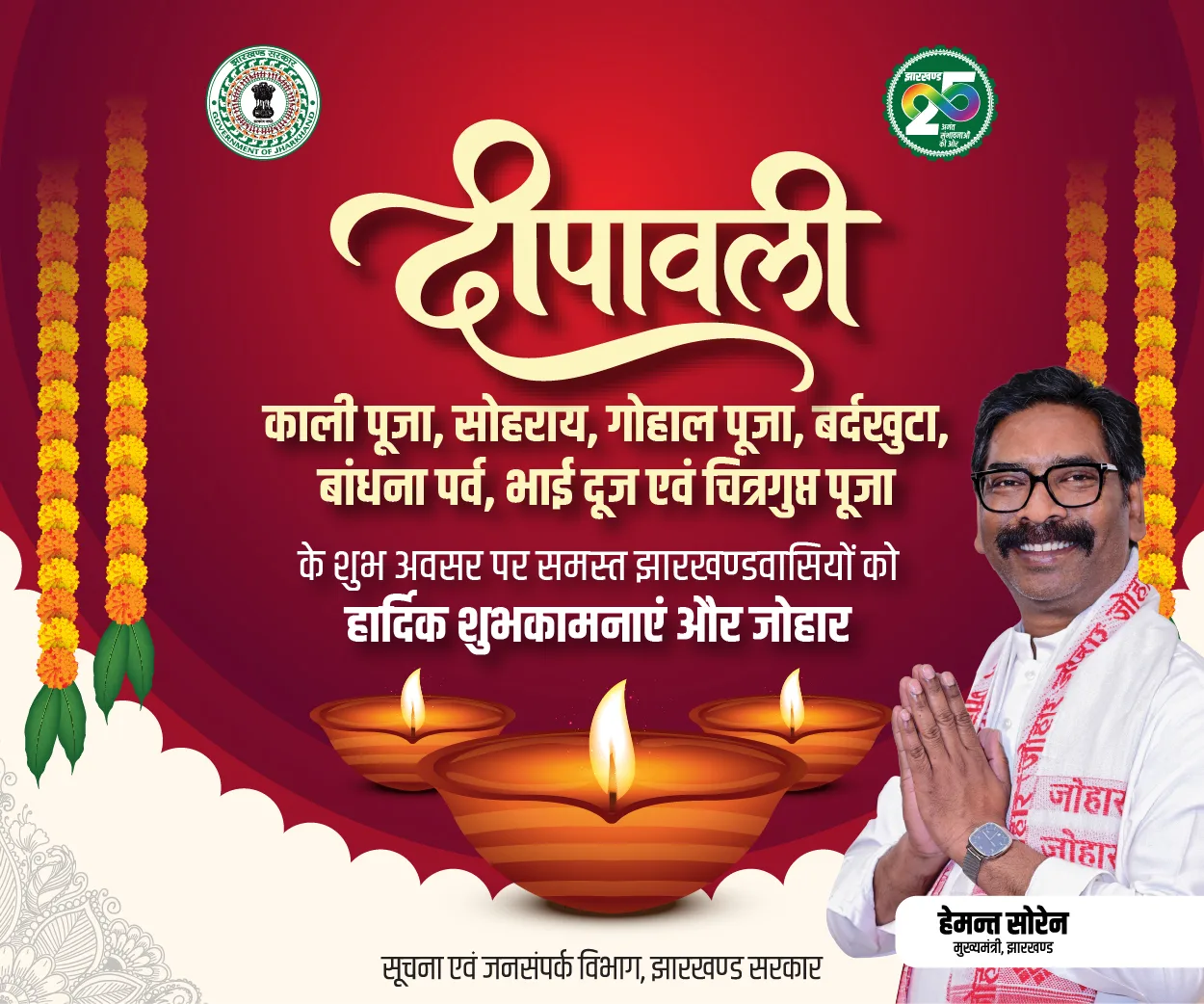
The programme, supported by the Ministry of Tribal Affairs (MoTA), is being implemented through the institute’s Department of Management Studies and Industrial Engineering. It is led by Principal Investigator Prof. Rashmi Singh and Dr. Niladri Das.
The initiative covers EMRS schools at Bhognadih in Sahibganj, Tasaria in Godda, Kathijoria in Dumka, Salgadih in Ranchi, Basia in Gumla, Kujra in Lohardaga and Torsindri in West Singhbhum.
Girls account for nearly 65% of current enrolment
A total of 1,501 students completed basic computer training in 2024–25. In 2025–26, another 1,504 students enrolled in the programme—725 in the Basic Module and 779 in the Advanced Module.
Girls account for 981 of the current-year participants, or nearly 65 per cent.
The basic curriculum includes MS Office, Excel, Tally and Python. The advanced module covers Advanced Excel, MS Access, MS Project, Advanced Tally and Power BI. Students also attend laboratory sessions, practical examinations and doubt-clearing classes.
“Digital literacy is an essential foundation for education, employment and participation in the emerging knowledge economy. Our objective is to ensure that tribal students, particularly girls, get equal opportunities to acquire technological skills and develop the confidence to explore wider academic and career prospects,” Prof. Singh said.
Assessment scores rise after training
According to the institute, average assessment scores increased from 6.29 before training to 11.25 after training—an improvement of approximately 79 per cent.

A Cluster Randomized Controlled Trial framework has also been developed to assess the programme’s impact on students’ digital literacy, academic performance, confidence and career aspirations.
The initiative extends beyond classroom training. A total of 3,574 tribal households have been surveyed to identify developmental needs at the community level.
Separately, an IIT (ISM) project supported by the Department of Science and Technology’s SEED Division, with an outlay of approximately ₹60.75 lakh, worked to support the socio-economic empowerment of Scheduled Tribe communities in six blocks of Jamtara district. The project concluded in August 2025.
The institute’s activities combine digital education, research and community-level engagement to expand opportunities for tribal students and families in Jharkhand.