Lohardaga tribal leaders seek protection of traditional gram sabhas
Lohardaga, June 11: A tribal traditional body (Adivasi Paramparik Bahuastariya Vyavashtha) in Lohardaga has submitted a memorandum to the district administration, raising…
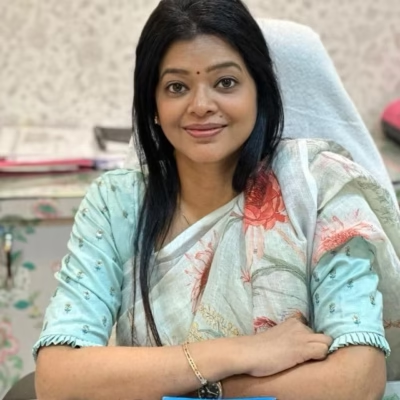
NESHA ORAON (file pic)
Lohardaga, June 11: A tribal traditional body (Adivasi Paramparik Bahuastariya Vyavashtha) in Lohardaga has submitted a memorandum to the district administration, raising concerns over the implementation of the Panchayats (Extension to Scheduled Areas) Act (PESA), 1996, and seeking protection of traditional Gram Sabhas, customary laws, and the religious-cultural rights of tribal communities in Fifth Schedule areas.
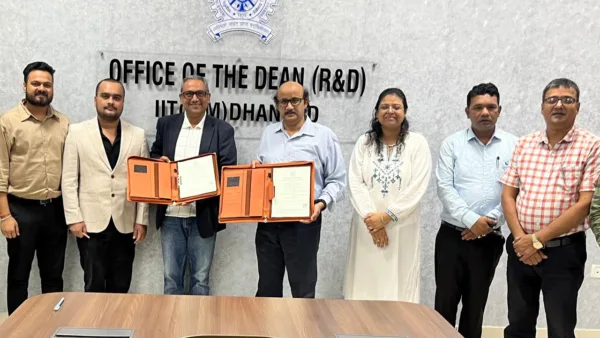
The memorandum was submitted to Deputy Commissioner (DC) Lohardaga under the leadership of senior IRS officer Nesha Oraon and representatives of the Adivasi Paramparik Bahuastariya Vyavashtha (Lohardaga district).
The organisation alleged that certain developments in the district are inconsistent with the provisions of PESA and constitutional safeguards meant for tribal communities.
Opposition to Non-Traditional Gram Sabha Structures
The tribal body objected to the creation of what it termed non-traditional Gram Sabha structures, including the concept of “Model Gram Sabhas.”
According to the memorandum, only traditional village institutions comprising customary roles such as Gram Pradhan, Hatu Munda, Mahto, Pahan and Painbhara should be recognised. The organisation opposed the introduction of modern designations such as Secretary and Treasurer within traditional Gram Sabha structures.
ALSO READ: Homemakers are nation builders: SC fixes ₹30,000 monthly value for domestic care

Demand Regarding Eligibility for Traditional Posts
The memorandum stated that positions such as Gram Pradhan, Pahan, Mahto and Padha Raja are closely linked to tribal religious and cultural traditions and are not merely administrative offices.
The organisation argued that adherence to traditional tribal faith is essential for holding these positions and sought a review of the eligibility criteria for such customary roles.
Concerns Over Religious Gatherings
The tribal body also expressed concern over the organisation of so-called “healing gatherings” (Changai Sabhas) in villages.

Citing judicial observations and legal provisions, the memorandum called for stricter regulation of such gatherings and sought prior approval of the Gram Sabha before any event involving religious activities is conducted in tribal villages.
Issues Related to Bhuihari and Pahnai Lands
The memorandum raised concerns regarding the status and management of Bhuihari and Pahnai lands, which are traditionally associated with the office of the Pahan.
The organisation contended that these lands are linked to customary tribal institutions and requested administrative scrutiny of cases where disputes have arisen over their possession and use.
Objection to Non-Traditional Padha Organizations
The tribal body also urged the administration not to grant official recognition to what it described as non-traditional Padha organisations operating in the district.
According to the memorandum, traditional tribal governance structures should be protected from parallel institutions that do not have historical or customary legitimacy within the community.
Call for Administrative Action
The organisation demanded that traditional tribal office-bearers be included in committees and teams formed for the constitution of new Gram Sabhas under PESA provisions.
It also sought representation of traditional institutions in the selection of members responsible for fund management under PESA rules.
The memorandum stated that tribal religious, cultural and social autonomy must be safeguarded in accordance with constitutional provisions and the spirit of the PESA Act.