Jharkhand: Grand battle of political legacy, local influence, caste dynamics in Bermo
SWAMI DIVYAGYAN he Bermo Assembly election is shaping up as a close contest among three notable candidates: BJP’s veteran leader Ravindra…
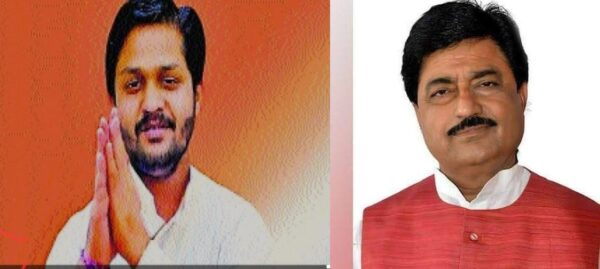
Jay Mangal Singh (L) and Ravindra Pandey
SWAMI DIVYAGYAN
he Bermo Assembly election is shaping up as a close contest among three notable candidates: BJP’s veteran leader Ravindra Pandey, Congress’ Anoop Singh (also known as Jay Mangal Singh), and Jharkhand Loktantrik Krantikari Morcha’s (JLKRM) Jairam Mahto. Each candidate stands as a distinct political force with his base of support, making this race one of the most anticipated in Jharkhand.
Ravindra Pandey: Veteran Leader with BJP’s Stronghold
Ravindra Pandey, a five-time MP from the Giridih constituency, brings a formidable reputation and substantial experience to this election. Known for his extensive career in politics, Pandey’s connection to the BJP’s ideological roots runs deep, and his name resonates with many voters as a leader of stability and experience. This region has long been a BJP bastion, with Pandey often gaining significant leads in this Assembly area during Lok Sabha elections, reinforcing BJP’s presence. However, a challenge this time comes from a notable undercurrent of discontent among the rural Mahto community, many of whom feel that Pandey’s potential victory may close the door on Yogeshwar Mahto Batul’s future prospects. Batul, also from the Mahto community, has represented BJP in past elections, and his supporters worry that his chances could be compromised if Pandey wins. To win over this sceptical section, Pandey must balance his own established base with this potential tension within the party, making this a pivotal test for his campaign strategy.
Jay Mangal Singh: Political Legacy and Trade Union Power
Jay Mangal Singh, representing Congress, carries a unique legacy, steeped in his father Rajendra Singh’s impactful work in both Bihar and Jharkhand. His father held the post of National President of the INTUC trade union and served as a minister, creating a deep-rooted connection with labour unions, particularly in Bermo’s coal belt. Anoop Singh has worked to uphold this legacy, securing his seat in a by-election after his father’s passing and maintaining support among Congress’s traditional base, including significant numbers from the labour and minority communities. His influence in the region is also bolstered by the loyalty of the INTUC’s support network, which can mobilize substantial backing for Congress. Yet, his campaign isn’t without hurdles; he faces intense competition for the Mahto vote in rural areas. To ensure victory, Singh must address the complex caste and communal dynamics, understanding that rural areas demand focused outreach and targeted promises. He also needs to connect with younger voters who may not feel as strongly about his father’s legacy but value tangible development and clear agendas.
Also Read: Grand showdown of stalwart minister, royalty, and stability contender in Garhwa

Jairam Mahto: Grassroots Influence and the Power of Locality
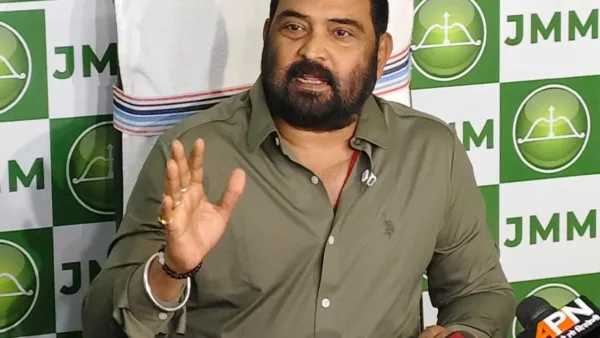
Representing the Jharkhand Loktantrik Krantikari Morcha (JLKRM), Jairam Mahto is widely recognized as a grassroots leader with deep local roots, especially within the Mahto community. Known for his accessibility and dedication to local issues, Mahto has developed a loyal base in rural areas where his name carries weight, and he’s often seen as a voice for the community’s concerns. JLKRM’s primary agenda aligns closely with rural Jharkhand’s needs, positioning Mahto as a strong advocate for local interests. While his influence is notably strong among the Mahto population, his party has faced recent challenges in retaining minority support. The shift of Farzan Ansari to Jharkhand Mukti Morcha (JMM) has weakened JLKRM’s standing in minority communities, creating potential gaps in his support. Although JLKRM has fielded Dr. Salim Ansari from Bagodar to regain this segment, it’s uncertain if this decision will resonate effectively in Bermo. To succeed, Mahto must solidify his rural support base while also reaching beyond it, appealing to broader voter concerns and promising practical solutions that can resonate across demographics.
Triangular Race Ahead
The Bermo Assembly race has become a competitive battleground, where the BJP’s organizational strength, Congress’s trade union influence, and JLKRM’s local appeal are all key factors. Pandey, a seasoned leader, has the experience and the BJP’s backing but faces potential fragmentation within the Mahto community. Singh has Congress’s legacy and minority support, yet must win over rural voters. Meanwhile, Mahto’s local influence makes him a strong contender.
As voters decide, Bermo stands at a crossroads, where the choice of representative will shape the future political direction of the region and influence the broader dynamics of Jharkhand’s political landscape.