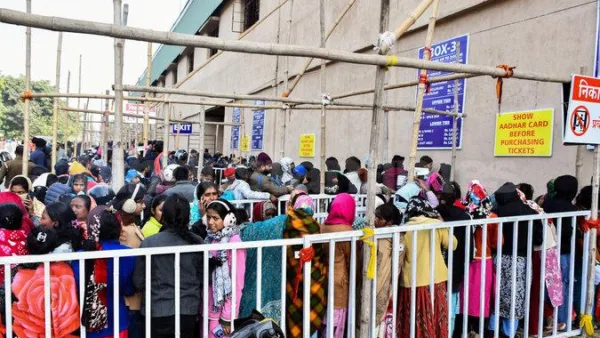
West Bengal Assembly election on April 23 and 29, results on May 4
New Delhi, March 15: The Election Commission of India (ECI) today announced the schedule for the West Bengal Assembly Election…
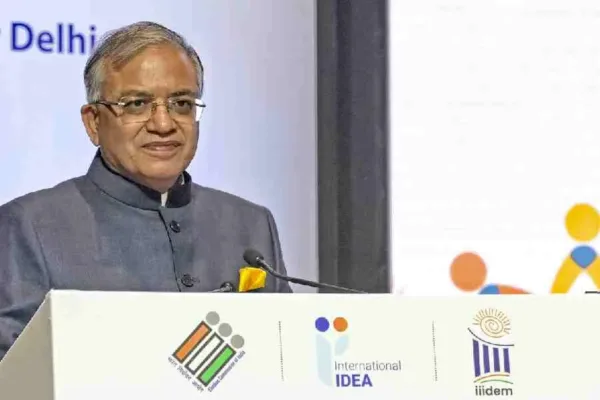
Gyanesh Kumar
New Delhi, March 15: The Election Commission of India (ECI) today announced the schedule for the West Bengal Assembly Election 2026, with polling set to take place in two phases on April 23 and April 29. The counting of votes for all five states will be held on May 4.
Chief Election Commissioner Gyanesh Kumar, along with Election Commissioners Sukhbir Singh Sandhu and Vivek Joshi, announced the election schedule during a press conference.
Along with West Bengal, assembly elections will also take place in Kerala, Assam, Tamil Nadu, and Puducherry.
Full Election Schedule for Five States
According to the Election Commission announcement, the polling dates are:

- Kerala Assembly Election 2026: April 9
- Assam Assembly Election 2026: April 9
- Puducherry Assembly Election 2026: April 9
- Tamil Nadu Assembly Election 2026: April 23
- West Bengal Assembly Election 2026: April 23 and April 29
Polling across these states will begin on April 9, with the final phase taking place on April 29.
Why West Bengal Is Voting in Two Phases
In the 2021 West Bengal Assembly elections, voting took place in eight phases between March 27 and April 29 due to the Covid-19 pandemic and security concerns.
This time, several political parties suggested to the Election Commission that the election should be conducted in two or three phases instead of a long schedule. According to party representatives, a prolonged election period increases campaign expenses and reduces voter enthusiasm.

Another reason for multi-phase voting is the deployment of central security forces, as West Bengal has seen incidents of political violence during past elections. However, parties argued that a large number of central forces are already stationed in the state, making a long election schedule unnecessary.
Election Preparations and Voter List Update
The Election Commission finalised the schedule after a meeting held on March 11, where officials reviewed field reports and preparedness for the elections.
Before the announcement, senior EC officials completed a multi-state review exercise. The commission also conducted a two-day visit to West Bengal, where they met with administrative officials, police authorities, district magistrates, and political party representatives.
The Special Intensive Revision (SIR) of voter lists has already been completed in all the poll-bound states, and the final electoral rolls have been published, although supplementary voter lists may still be issued in West Bengal.
Model Code of Conduct Comes into Effect
Following the announcement of the election schedule, the Model Code of Conduct (MCC) has come into immediate effect.
Chief Election Commissioner Gyanesh Kumar stated that the Election Commission will ensure violence-free and fair elections, warning that strict action will be taken against any violations, inducements, or attempts to influence voters.