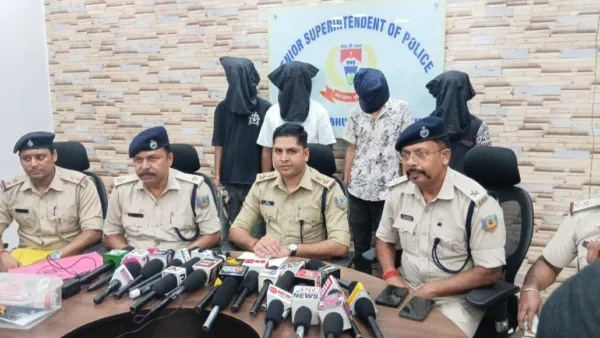
87 snakebite cases reach MMCH Daltonganj in one year in Palamu
Daltonganj, May 25: Palamu district reported 87 snakebite cases at MMCH Daltonganj from April 1, 2025, to March 31, 2026, averaging around…
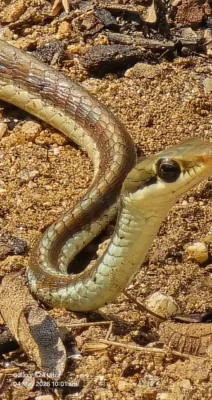
The rescued bronze-back tree snake in Bareysarn of Palamu tiger reserve. (File pic)
Daltonganj, May 25: Palamu district reported 87 snakebite cases at MMCH Daltonganj from April 1, 2025, to March 31, 2026, averaging around 7 cases per month.
The figures include patients who either reached the medical college hospital on their own or were referred by peripheral government health centres.
Sources said the actual number of snakebite incidents in Palamu and other rural areas could be much higher, as many cases from remote villages go unreported.
Concern Over Unreported Snakebite Cases
According to sources, social media often becomes the first source of information about snakebite deaths in rural areas instead of official records.
Civil society activists have urged the Panchayati Raj Department to direct mukhiyas, panchayat samiti members and zila parishad representatives to maintain records of snakebite incidents and submit them to the civil surgeon.
Snakebite Declared ‘Notifiable Disease’ in Jharkhand
The Jharkhand government has declared snakebite cases and deaths a “notifiable disease” with effect from March 2, 2026.

Additional Chief Secretary (Health) Ajoy Kumar Singh issued a notification directing government and private hospitals, as well as health centres, to report snakebite cases and deaths to the civil surgeon every month.
Jharkhand has now joined states such as Tamil Nadu, Kerala, Maharashtra, Meghalaya, Tripura and Odisha in declaring snakebite cases notifiable.
Why the Move Matters
Officials said the move is aimed at reducing snakebite fatalities and improving official data collection.

Snakebite deaths are already listed as a disaster category in Jharkhand, with the government providing an ex gratia relief of Rs 4 lakh to families of victims.
India records one of the highest numbers of snakebite deaths globally, with an estimated 58,000 deaths every year.
The Government of India has also launched the National Action Plan for Snakebite Envenoming (NAPSE), targeting a 50 percent reduction in snakebite deaths by 2030.
Doctors Warn Against Superstitions
Doctors and health officials have warned people against relying on superstition or fake healers after snakebites.
Civil Surgeon Dr Anil Kumar Sriwastwa advised families not to bring live snakes to hospitals for identification.
“Doctors and nurses are not interested in the colour, length or hood of the snake. Our primary concern is the symptoms that emerge after the snakebite. Do not bring the snake. Bring the snakebite victim to the hospital in time,” he said.
He stressed that the first 20 minutes after a snakebite are crucial and victims should be transported safely to hospitals without panic or delay.
Palamu is home to several snake species, including cobra, krait, Russell’s viper, saw-scaled viper and Indian rock python.