SAIL Bokaro director Priya Ranjan highlights global steel challenges at IIT (ISM) Dhanbad
THE JHARKHAND STORY NETWORK Dhanbad, August 22: The changing global steel industry, India’s plans to expand steel production and the growing impact…
THE JHARKHAND STORY NETWORK
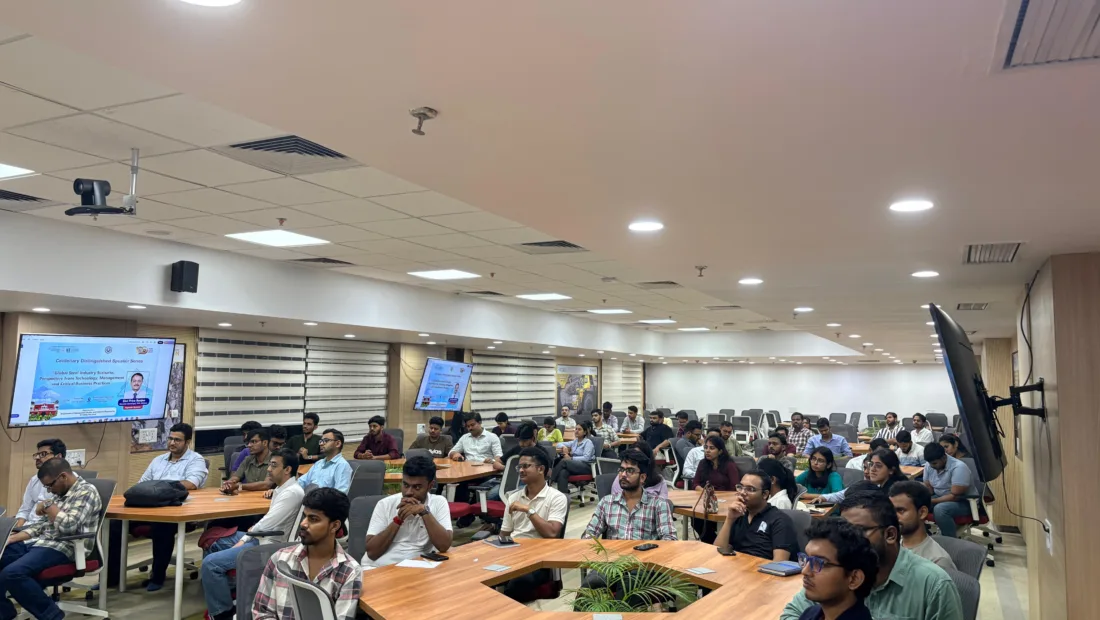
Dhanbad, August 22: The changing global steel industry, India’s plans to expand steel production and the growing impact of technology, geopolitical tensions and global supply-chain disruptions were discussed at a special session of the Centenary Distinguished Speaker Series organised by the Department of Management Studies and Industrial Engineering at IIT (ISM) Dhanbad on Saturday.
Priya Ranjan, Director-in-Charge of Steel Authority of India Limited (SAIL), Bokaro, was the keynote speaker at the session titled “Global Steel Industry Scenario: Perspective from Technology, Management and Critical Business Practices.”
Ranjan shared insights from the steel industry on the opportunities and challenges facing India’s steel sector and explained how technology, management practices and global developments are shaping its future.
India’s Steel Industry Faces Growing Global Competition
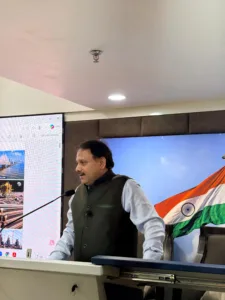
Ranjan highlighted India’s expanding steel-making capacity and stressed the need to improve production and operational efficiency to meet rising domestic demand.
He also discussed the competitive pressure created by China’s large-scale steel production and the impact of international trade policies on global steel markets.
According to Ranjan, changing trade policies and growing international competition are creating new challenges for steel producers, making efficiency and adaptability increasingly important.
Geopolitical Tensions Disrupt Steel Supply Chains
Ranjan drew attention to the impact of geopolitical tensions and disruptions along major shipping routes on the cost of raw materials, transportation and insurance.
Such disruptions can directly increase steel production costs, he said, underlining the importance of efficient resource management and resilient supply chains.

He noted that companies need to anticipate global disruptions and strengthen their ability to manage risks arising from developments beyond their immediate control.
Companies Must Look Beyond Sales and Revenue
Ranjan also emphasised that sales and revenue alone do not provide a complete picture of a company’s financial health.
He stressed the importance of closely monitoring credit, debt and non-performing assets to assess the financial strength and long-term stability of businesses.
The discussion highlighted how sound financial management, alongside operational efficiency, can help companies remain competitive during periods of uncertainty.
Technology and Automation Key to Future Growth
The session also focused on the growing role of digital technology, automation and modern manufacturing practices in improving efficiency and managing rising production costs.
Ranjan explained how technological advancements are transforming industrial processes and creating new opportunities for the steel sector.
An interactive discussion with students and faculty members provided participants with an opportunity to connect classroom learning with real-world industrial challenges and understand the practical implications of developments in the global steel industry.
IIT (ISM) Faculty Members Attend Session
Prof. Dheeraj Kumar, Head of the National Critical Mineral Mission Centre at IIT (ISM) Dhanbad, along with Prof. Rashmi Singh, Prof. Bibhas Chandra and Prof. Niladri Das, were among the faculty members present at the programme.
The session provided students, researchers and faculty members with valuable insights into the rapidly changing global steel industry and highlighted the importance of combining technological expertise with sound management and business practices.