Krishi Vigyan Kendra Gumla meet focuses on integrated farming
Gumla, April 20: The 18th Scientific Advisory Committee (SAC) meeting was held at Krishi Vigyan Kendra (KVK), Gumla, with a strong…
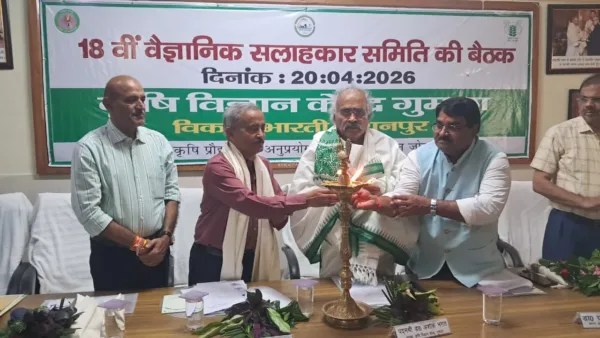
Gumla, April 20: The 18th Scientific Advisory Committee (SAC) meeting was held at Krishi Vigyan Kendra (KVK), Gumla, with a strong focus on integrated farming systems and sustainable agricultural practices for 2026–27.
Review of 2025–26, Roadmap for Next Year
Organised by Vikas Bharti Bishunpur, the meeting reviewed agricultural and allied sector activities carried out in 2025–26 and outlined a scientific action plan for the coming year. The KVK highlighted its efforts in farmer training, field demonstrations, and promotion of allied activities like animal husbandry, horticulture, fisheries, beekeeping, and mushroom cultivation to boost farmers’ income.
Climate-resilient agriculture remained a key focus, with emphasis on low-water crop varieties, drought-resistant species, organic farming, soil health, and water conservation. Special initiatives for women and youth empowerment were also discussed.
Experts Stress Technology, Local Solutions
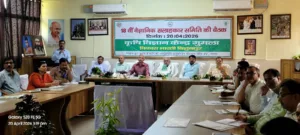
Padma Shri Ashok Bhagat, the chief guest, stressed adopting integrated farming by combining crops with livestock, fisheries, and horticulture to increase income and reduce risk.
Experts, including Dr. Avani Kumar Singh, Dr. Niranjan Lal, and Er. S.K. Pandey underlined the need for scientific knowledge transfer, localised farming techniques, and shared farm machinery for small farmers. Officials from agriculture, animal husbandry, fisheries, and land conservation departments shared sector-wise updates and suggestions.
The meeting proposed expanding farmer training, crop demonstrations, organic farming promotion, and climate adaptation strategies. Plans were also discussed to strengthen processing, storage, and market linkages to ensure better returns for farmers.
Progressive farmers shared success stories, noting improved productivity and income through KVK-led initiatives, and called for more practical training and continuous support.

The meeting concluded with a vote of thanks by Mahendra Bhagat, with participants agreeing that scientific planning and coordinated efforts are key to making agriculture in Gumla more profitable and sustainable.