
Bokaro Thermal Power Station polluting Damodar again: Saryu Roy
Ranchi, May 2: Saryu Roy, MLA from Jamshedpur West, has alleged that the Damodar Valley Corporation’s Bokaro Thermal Power Station (BTPS) has…
Ranchi, May 2: Saryu Roy, MLA from Jamshedpur West, has alleged that the Damodar Valley Corporation’s Bokaro Thermal Power Station (BTPS) has once again started polluting the Damodar River.
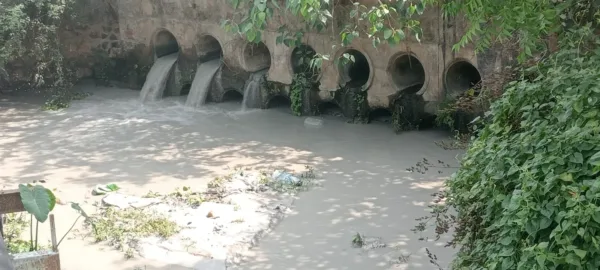
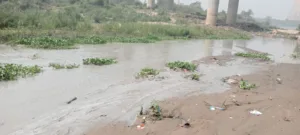
According to Roy, contaminated effluents from the thermal power plant—containing ash, cinders, oily substances, and harmful chemicals—are being discharged near the confluence of the Konar and Damodar rivers, leading to pollution of the river.
Effluent Discharge Raises Concern
In a statement, Roy said that such contaminated effluents are usually diverted to an ash pond to prevent them from entering the river and to ensure safe disposal. However, in this case, the effluent meant for the ash pond is being released directly into the river system.
He added that the pipeline carrying the effluents to the ash pond has ruptured before reaching the pond. As a result, the waste is spilling out, entering a nearby drain, flowing into the Konar River, and eventually polluting the Damodar.
ALSO READ: Jharkhand health scam row: BJP seeks independent probe
Photos Sent to Authorities
Roy said activists of the ‘Damodar Bachao Andolan’ sent photographs on Saturday showing the discharge of untreated effluents into the Konar-Damodar river system. He has forwarded these photographs to the Deputy Commissioner of Bokaro.

He has urged the Deputy Commissioner, in his capacity as Chairman of the District Environment Committee, to immediately stop the pollution and take strict action against the BTPS management.
Recurring Issue, Says Roy
The MLA claimed that this is not an isolated incident. He alleged that such pollution occurs repeatedly due to pipeline bursts or the collapse of ash pond walls, pointing to negligence by the plant management.

He further stated that improper disposal of ash from the ash pond leads to periodic discharge of contaminated effluents into the river.
Monsoon Risk and Regulatory Role
Roy warned that the situation could worsen during the monsoon, when increased water flow may wash away evidence of pollution even as contaminated discharge continues.
He also stressed that it is the statutory responsibility of the State Pollution Control Board to take action against industries that fail to control pollution.