
Centre moves to grant ‘Vande Mataram’ status equal to National Anthem
New Delhi, May 6: The Union Cabinet, chaired by Prime Minister Narendra Modi, has approved a proposal to amend the Prevention of…
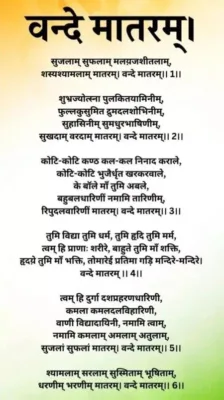
New Delhi, May 6: The Union Cabinet, chaired by Prime Minister Narendra Modi, has approved a proposal to amend the Prevention of Insults to National Honour Act, 1971, to grant Vande Mataram a status equivalent to that of the national anthem, Jana Gana Mana.
Under the proposed amendment, insulting or disrupting the singing of Vande Mataram could attract legal penalties, including imprisonment and fines, similar to provisions currently applicable to the national anthem.
Amendment to Section 3 Approved
According to sources, the proposed amendment to Section 3 of the Act seeks to extend legal protection to Vande Mataram, the national song penned by Bankim Chandra Chattopadhyay.
At present, the law provides punishment for intentionally preventing or disrupting the singing of the national anthem.
“Whoever intentionally prevents the singing of the Indian National Anthem or causes disturbance to any assembly engaged in such singing shall be punished with imprisonment for a term which may extend to three years, or with fine, or with both,” the current law states.
Repeat offenders may face a minimum imprisonment term of one year.

‘Vande Mataram’ Demand Raised Earlier in Parliament
The decision follows discussions held in Parliament last December during events marking the 150th year of Vande Mataram.
ALSO READ: IIM Ranchi sets new placement record with ₹1.2 crore EMBA offer
During the special discussion, several members reportedly demanded that the national song be accorded the same legal and symbolic status as the national anthem.

Existing Law Covers National Flag and Constitution
The Prevention of Insults to National Honour Act currently penalises disrespect towards the national anthem, the Constitution, and the national flag.
In 2005, the legislation was amended to prohibit disrespectful use of the tricolour, including printing it on items such as handkerchiefs, cushions, and garments worn below the waist.
Political Significance
The Cabinet decision comes amid heightened political developments at the national level and is likely to trigger fresh debate over nationalism, constitutional rights, and cultural symbolism.
Legal experts believe the amendment, once formally introduced and passed in Parliament, could have wider implications regarding freedom of expression and enforcement of national honour laws.